







Why Some Coasters Fail Fast
If your custom coasters start curling, smudging, or peeling after a few busy shifts, the problem usually is not the artwork. It is the production stack behind the artwork: substrate density, ink method, coating chemistry, edge sealing, and how the coaster is expected to perform in real service. A coaster that looks sharp on day one can look cheap by week three if even one of those variables is wrong.
That is where experienced production partners matter. Best Patches works with brands that need custom merchandise to do more than look good in a product photo. Restaurants, breweries, event planners, and retail brands all need coasters that survive moisture, friction, stacked storage, and repeated handling without making the brand look worn out.
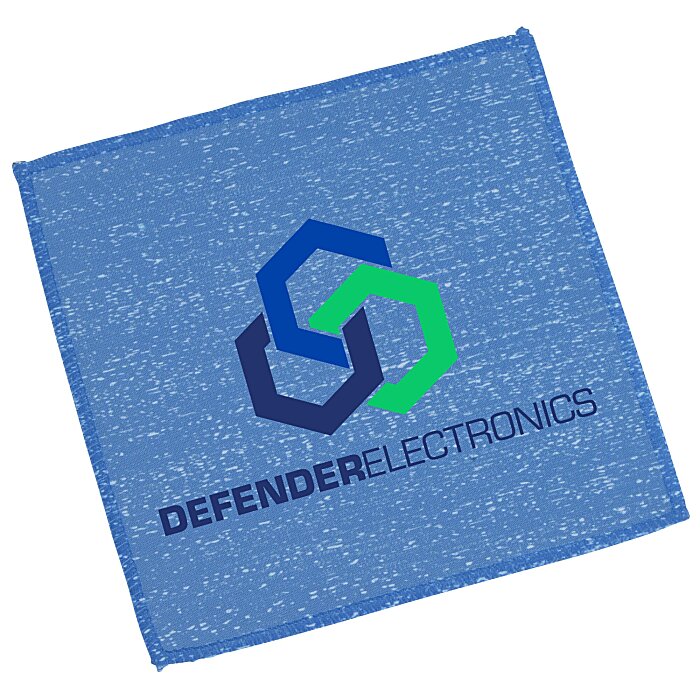
Custom coasters are branded drink rests made from materials such as pulpboard, cork, rubber, acrylic, wood, or stone, then printed or decorated with a logo, message, or artwork. The best versions are designed not only for visual impact but also for moisture control, stain resistance, and repeated real-world use.
If you are buying for hospitality, events, gifting, or promotional campaigns, durability should be treated as a buying spec, not a bonus feature. That single shift in mindset usually separates “cheap giveaway” coasters from pieces people actually keep and use.
Table of Contents
- What Actually Determines Coaster Lifespan
- Choosing the Right Material for the Job
- Print Methods That Hold Up Better Over Time
- Coatings, Lamination, and Edge Protection
- How Design Choices Affect Durability
- A Production Checklist Before You Approve a Run
- Best Uses by Brand Type
- Risks, Limits, and Sustainability Trade-Offs
- What We Learned at Best Patches
- How to Order Custom Coasters That Last Longer
What Actually Determines Coaster Lifespan
Durability is rarely about one hero feature. It is the result of a few technical decisions working together. In a print shop, the longest-lasting coasters usually share the same traits: stable base material, print that bonds well to the surface, a finish that fits the use case, and edges that resist water intrusion.
Buyers often focus on unit price and surface appearance first. That is understandable, but it can backfire. According to the 2024 ASI Ad Impressions Study, useful promotional products keep brands in front of customers longer than items with low practical value. For coasters, usefulness and durability are tied together. If the coaster fails early, the branding window closes early too.
- Absorbency: Important for bars, cafés, and breweries where condensation is constant.
- Surface hardness: Critical for printed image retention and scratch resistance.
- Thickness and density: Helps prevent warping and soft edge breakdown.
- Ink adhesion: Determines whether logos fade, rub off, or stay sharp.
- Edge protection: Often the first failure point on lower-grade coasters.
One more factor gets overlooked: storage conditions. Even a well-made pulpboard coaster can deform if it is stored in a humid back room near ice bins or dish stations. Production quality matters, but so does what happens after delivery.
Choosing the Right Material for the Job
The “best” material depends on where the coaster will live. A disposable event coaster has different performance goals than a premium branded coaster sold in a gift set. The biggest mistake buyers make is choosing a material based on appearance alone.
Pulpboard for absorbency and high-volume hospitality
Pulpboard remains the standard for bars, pubs, and tasting rooms because it absorbs condensation instead of letting moisture pool under the glass. When density is right, it also prints well and feels substantial. Low-grade pulpboard, however, turns fuzzy around the edges and can delaminate under heavy service.
Cork for eco-forward brands and softer tabletop use
Cork has a warm look and good grip, which makes it popular for cafés, wellness brands, and eco-conscious packaging. It handles light to moderate moisture well, but print detail can be trickier depending on surface texture. It also tends to have more natural variation, which some brands love and others do not.
Rubber and neoprene for repeat use
If the goal is long-term reuse, rubber-backed or neoprene-style coasters are strong performers. They resist curling, handle repeated wiping, and stay put on smooth surfaces. They are especially useful for office swag, subscription boxes, and home-bar sets.
Acrylic, wood, and stone for premium presentation
These materials create a higher-end impression, but each has trade-offs. Acrylic can scratch. Wood can stain without proper sealing. Stone is durable but heavier and more expensive to ship. Premium materials are not automatically better; they are better only when matched to the right audience and maintenance expectations.
“The right coaster material is the one that matches moisture load, cleaning routine, and brand positioning at the same time. If one of those gets ignored, failure shows up fast.”
Print Methods That Hold Up Better Over Time
Print durability is all about bond strength and surface compatibility. Sharp graphics mean very little if the ink sits too high on the substrate or cannot tolerate rubbing, heat, and moisture.
Offset printing for clean volume runs
Offset remains strong for large runs of pulpboard coasters because it delivers consistent color and efficient production. It works especially well when the design is not overloaded with heavy ink coverage. The trade-off is setup time, which makes it less ideal for ultra-short runs or frequent version changes.
UV printing for vivid logos and harder surfaces
UV printing is widely used on acrylic, wood, and some coated reusable coasters because it produces bold color and strong detail. According to Smithers’ 2025 outlook on digital printing growth, demand for shorter, customized print runs continues to rise, which is one reason UV and other digital processes remain so attractive. Still, UV print quality depends heavily on pretreatment and curing. Poor curing can lead to brittle surfaces or edge chipping.
Sublimation for fabric-like and neoprene products
Sublimation works well for neoprene and polyester-faced reusable coasters because the image becomes part of the surface instead of sitting on top of it. That usually means less cracking or peeling. The limitation is substrate compatibility; it is not the answer for every material.
Screen printing for bold, simple branding
When the logo is simple and the order is large, screen printing can still be a smart choice. It creates solid color fields and can be very durable on the right material. Fine details and gradients are where it starts to lose ground against digital methods.
Coatings, Lamination, and Edge Protection
If material is the skeleton of a coaster, coating is the skin. It changes how the product feels, how it repels moisture, and how long the print remains clean. The catch is that the wrong finish can work against the function of the coaster.
For example, an absorbent bar coaster should not be over-sealed to the point where it no longer absorbs condensation. On the other hand, a reusable coaster for home or office use benefits from a moisture-resistant top layer that can be wiped clean.
When matte coatings make sense
Matte finishes reduce glare, feel more premium, and often hide small scratches better than glossy surfaces. They are a strong fit for upscale branding, minimalist designs, and earthy materials such as cork or wood.
When gloss is worth it
Gloss can make colors pop, especially on logo-heavy retail or event coasters. It also adds a level of wipe resistance. The downside is that scratches and fingerprints tend to show more clearly.
Why edge sealing matters more than most buyers think
Edges are where moisture sneaks in first. On wood, low-density board, and some laminated builds, edge failure starts long before the printed face looks damaged. A coaster with good edge sealing can outlast a prettier competitor by a wide margin.
According to the U.S. Environmental Protection Agency’s most recent materials data updates, paper and paperboard remain among the most widely recovered material categories in the municipal waste stream. That matters because many brands now want products that balance usable life with disposal reality. Edge-sealed recycled board can be a smart middle ground when designed correctly.
How Design Choices Affect Durability
Designers do not always think like production managers, but they should. Some artwork decisions make coasters fail faster, especially on porous or textured materials.
Heavy ink coverage can create problems
Large dark floods look dramatic, but they can make wear more visible. On some absorbent stocks, full-bleed designs also increase the chance of uneven drying or edge scuffing. If durability is the top priority, leaving a controlled margin or using strategic negative space often helps.
Tiny details may not survive rough use
Hairline text, micro-icons, and delicate gradients can look excellent in a proof yet break down visually after normal abrasion. Coasters are touched, stacked, slid, and occasionally soaked. Bold design systems almost always age better.
Color strategy should match the environment
For breweries and bars, slightly darker palettes can hide use wear, but too much dark coverage may show water rings and scratches. For wedding or event coasters, cleaner light backgrounds can look elegant, though they stain more easily if the stock is uncoated. The practical answer sits in the middle: choose contrast for readability and enough visual texture to mask minor wear.
“A durable coaster is designed to age gracefully. The best print files are not just beautiful; they are resilient.”
A Production Checklist Before You Approve a Run
Most coaster failures can be prevented before the first full batch hits the press. A disciplined approval workflow saves money, protects your brand image, and cuts down on expensive reruns.
- Define the use case clearly. Is the coaster disposable, reusable, giftable, or meant for daily hospitality service?
- Select the substrate by environment. Pulpboard for absorbency, neoprene for repeated use, cork for natural branding, acrylic or stone for premium presentation.
- Match the print process to the material. Do not assume one print method works equally well across all surfaces.
- Request a physical sample. Test condensation, wiping, stacking, and edge wear.
- Review artwork for stress points. Watch for full bleeds, tiny type, and colors that expose scuffs.
- Confirm coating behavior. Moisture resistance is good, but over-sealing absorbent coasters can hurt performance.
- Ask about packaging and storage. Even strong coasters can warp if packed or stored poorly.
That last step matters more than people expect. I have seen good production ruined by weak shrink wrapping, humid storage rooms, and rushed shipping that bent corners before the cartons were even opened.
Best Uses by Brand Type
Different businesses should prioritize different specs. The table below shows how durability decisions shift based on real commercial use.
| Brand Type | Recommended Material | Best Print Approach | Durability Priority |
|---|---|---|---|
| Craft brewery | High-density pulpboard | Offset or flexographic volume print | Absorbency and edge integrity during wet service |
| Corporate swag program | Neoprene or rubber-backed coaster | Sublimation or UV print | Repeat use, wipeability, and color retention |
| Wedding stationery brand | Premium cork or coated board | Digital print with matte finish | Presentation quality and short-term moisture resistance |
| Home goods retailer | Acrylic, wood, or stone set | UV print, laser engraving, or hybrid finishing | Long-term reuse, premium feel, and scratch control |
Risks, Limits, and Sustainability Trade-Offs
No coaster type is perfect. The practical goal is not maximum durability at any cost. It is the right level of durability for the budget, audience, and usage pattern.
Absorbent pulpboard performs beautifully in bars but is not built for months of home reuse. Acrylic looks clean and modern but scratches if handled roughly. Cork gives a natural premium look, though color consistency may vary. Stone feels luxurious, yet shipping cost and break risk go up.
There is also a sustainability tension worth acknowledging. Longer-lasting reusable coasters may use more material or more complex coatings. Disposable coasters can be lighter and easier to distribute but may need more frequent replenishment. The better question is not “Which option is greenest?” but “Which option creates the least waste for the actual use cycle?”
What We Learned at Best Patches
At Best Patches, we have seen the same pattern over and over: buyers initially ask for the lowest per-unit cost, then return after one event cycle because the product looked tired too quickly. The fix is rarely dramatic. Usually, it is a better material choice, cleaner edge treatment, or a print method that fits the substrate instead of fighting it.
I worked on a coaster order for a regional coffee chain that wanted seasonal artwork on a tight budget. Their first supplier had used a lightweight board with an attractive finish, but the coasters curled near the espresso station and the printed surface dulled after repeated handling. We rebuilt the spec around a denser absorbent board, reduced heavy ink coverage near the edges, and adjusted the finish to preserve absorption. The next run lasted through the campaign without the “mushy edge” problem that had frustrated their store managers.
In another project, we supported a boutique home-bar brand launching gift sets online. They originally leaned toward glossy acrylic because it photographed well. During sampling, I noticed surface scratches showed up fast when the coasters were stacked and unboxed repeatedly. We switched the finish strategy, softened the artwork contrast in high-contact areas, and added packaging separators. The result looked slightly less flashy under studio lights, but it arrived to customers in much better condition and reduced replacement complaints.
Those jobs reinforced a simple truth: durability is usually engineered in upstream. Once the wrong material and print stack are chosen, no amount of post-production optimism can fully save the outcome.
How to Order Custom Coasters That Last Longer
If you want better results without overpaying, ask sharper questions before the order goes live. The strongest buyers are not always print experts, but they know what to request.
- Ask what failure point the supplier is designing against: warping, fading, scratching, or moisture soak-through.
- Request substrate thickness and density details rather than accepting “premium quality” as an answer.
- Ask whether the finish supports absorbency or blocks it.
- Test a sample in your actual environment, not just on a conference table.
- Review edge quality closely, especially for wood, board, and laminated builds.
The best orders come from alignment between brand, function, and production reality. If a supplier cannot explain why a coaster should survive your use case, they probably are not ready to build it properly.
Conclusion
Long-lasting custom coasters are not a mystery item from the print world. They last longer when the material fits the setting, the print method bonds correctly, the finish supports actual use, and the design avoids built-in weak points. The biggest gains usually come from better specs, not bigger budgets.
Best Patches recommends three next steps:
- Define whether your coaster is meant for one event, daily service, or long-term retail use.
- Request physical samples and test them with real condensation, wiping, and stacking.
- Choose a supplier that can explain substrate, print, coating, and packaging as one system.
References
- ASI Ad Impressions Study 2024 — Provided current data on how useful promotional products support stronger brand recall and longer exposure.
- Smithers 2025 digital printing market outlook — Offered industry context on the growth of short-run, customized print production and why digital methods continue gaining traction.
- U.S. Environmental Protection Agency materials data updates — Supported the sustainability discussion around paper and paperboard recovery trends.
FAQ
What material makes custom coasters last the longest?
-
It depends on how they will be used. For repeated home or office use, neoprene, rubber-backed, stone, or sealed wood typically last longer than disposable board. For bars and breweries, high-density pulpboard often performs best because it absorbs condensation instead of letting water pool.
Are custom coasters better with matte or glossy finishes?
-
Matte usually hides scratches better and gives a more premium feel. Glossy finishes can make colors pop and add wipe resistance, but they often show fingerprints and wear more easily. If absorbency matters, do not over-seal the surface just for appearance.
How thick should custom coasters be?
-
For disposable paperboard coasters, a thicker and denser stock generally feels better and resists warping more effectively. Reusable coasters vary by material, but the right choice should feel stable on a tabletop without becoming bulky or expensive to ship.
Why do some custom coasters curl or peel?
-
Curling and peeling usually come from a mismatch between material, moisture load, and finish. Common causes include:
Low-density board absorbing too much water
Poor edge sealing
Ink or coating that does not bond well to the substrate
Humid storage conditions before use
What print method is best for custom coasters?
-
There is no single best method for every project. Offset works well for large pulpboard runs, UV printing is strong for hard reusable surfaces, and sublimation is a solid choice for neoprene-style coasters. The best method is the one that matches the material and usage environment.
Are reusable custom coasters worth the higher cost?
-
Yes, if the goal is long-term brand visibility or retail resale. Reusable coasters usually cost more upfront, but they can create a stronger perceived value, survive repeated use, and generate fewer replacement issues than disposable options in the right settings.