







Get Better Patches Without Paying Premium Prices
If you are searching for cheap custom patches online, the hard part is not finding vendors. It is finding a supplier that keeps prices low without cutting corners on embroidery quality, backing strength, color accuracy, or delivery reliability. Too many buyers end up with fuzzy borders, weak adhesive, surprise setup fees, or patch sizes that looked bigger on screen than they do in hand.
That is where Best Patches stands out. As a specialist in custom patch production, the brand helps businesses, clubs, creators, schools, and uniform programs move from rough idea to finished patch with less friction. The smartest buyers are not just comparing price per piece. They are comparing proofing speed, stitch density, material options, revision support, and total landed cost.
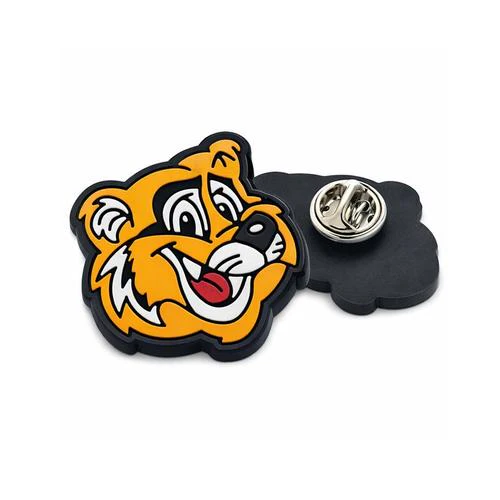
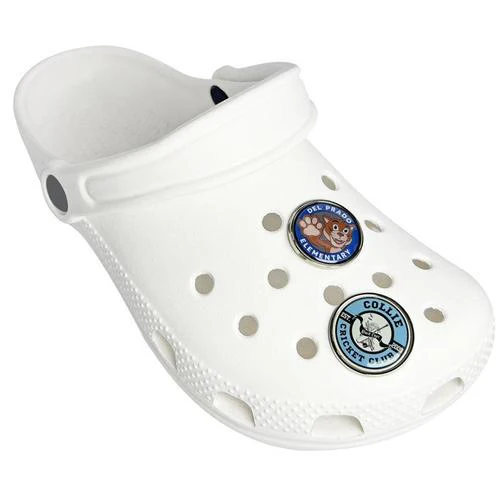
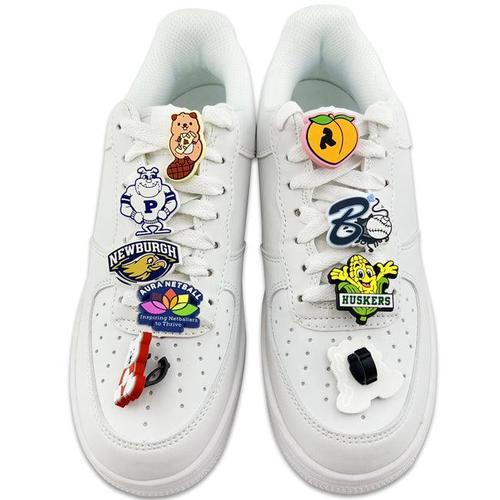
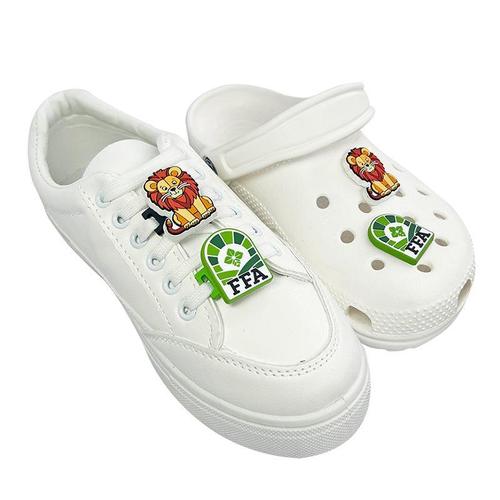
Cheap custom patches online means ordering personalized embroidered, woven, PVC, chenille, leather, or printed patches through a digital ordering process at a budget-friendly rate. The best version of that service combines low minimums, clear artwork support, transparent pricing, and dependable production quality.
Table of Contents
- What Makes a Patch Affordable
- Choose the Right Patch Type
- Prepare Artwork That Keeps Costs Down
- Place Your Order With Confidence
- Compare Common Buying Scenarios
- Mistakes That Increase Costs
- Real-World Experience From Best Patches
- Quality Checks, Shipping, and Timelines
- Future Trends in Online Patch Ordering
What Makes a Patch Affordable
Low price alone does not make a patch order affordable. A truly cost-effective order balances unit price, usable quality, and reorder efficiency. If a cheap patch frays after a few washes or arrives with unreadable detail, you are paying twice.
Several variables influence price:
- Patch type and base material
- Size and shape complexity
- Thread count or molding detail
- Number of colors
- Backing choice such as iron-on, Velcro, sew-on, or adhesive
- Order quantity
- Rush production and shipping method
According to the 2024 U.S. Census Bureau Annual Retail Trade data, e-commerce continues to hold a major share of specialty purchasing behavior, which helps explain why more organizations now source promotional and uniform items through online custom vendors instead of local intermediaries. The savings often come from direct manufacturing workflows and fewer manual handoffs.
Choose the Right Patch Type
Not every patch should be embroidered. One of the easiest ways to save money is to match the patch type to the artwork and end use.
Embroidered Patches
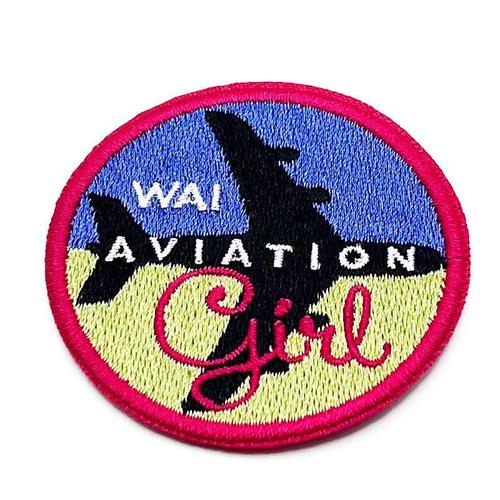
Best for classic logos, uniforms, biker patches, team insignias, and bold text. They have texture and strong perceived value, but very small details can get lost if the design is too intricate.
Woven Patches
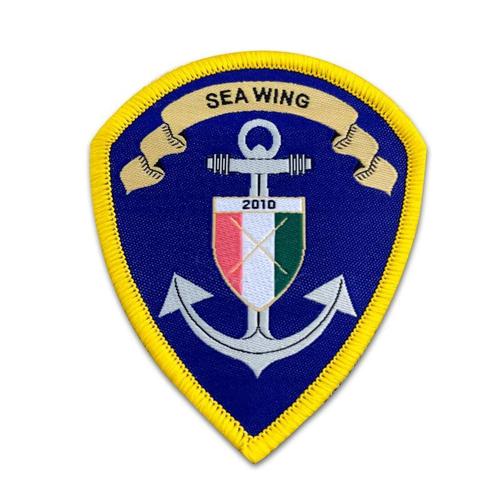
Better for fine lines, small lettering, and detailed illustrations. Woven patches often look cleaner than embroidery when the design is dense, and they can be a smarter budget choice if embroidery would require heavy stitch coverage.
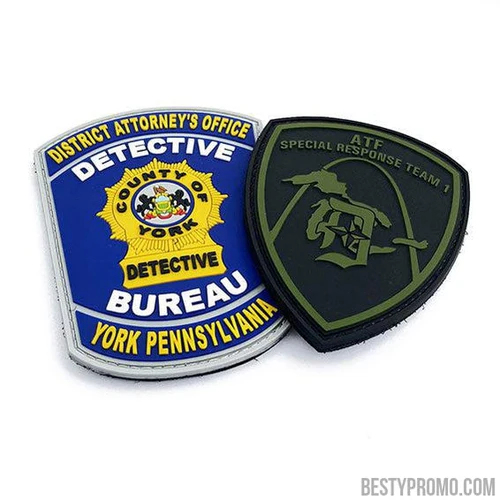
PVC Patches
Ideal for tactical brands, outdoor gear, and modern logos. They resist water well and hold sharp edges, but some buyers prefer a softer traditional look for apparel.
Chenille and Specialty Patches
Popular for varsity, streetwear, and fashion collections. These can be visually strong but usually cost more due to material and production complexity.
“The cheapest patch is usually the one that fits the design the first time. When buyers force highly detailed art into standard embroidery, they often pay for revisions, disappointment, or a full remake.”
Prepare Artwork That Keeps Costs Down
Good artwork lowers cost because it reduces back-and-forth revisions and production risk. Many buyers think they need advanced design software. They do not. What they really need is clear, scalable artwork and realistic design choices.
Use Clean Shapes and Readable Text
If your patch is under 3 inches, avoid tiny lettering and ultra-thin lines. A slogan that looks sharp on a laptop may disappear in thread. Simpler art generally produces better results and fewer proof revisions.
Pick the Right File Format
Vector files such as AI, EPS, PDF, or SVG are ideal. High-resolution PNG files can also work for straightforward designs. If all you have is a photo of a sketch, a skilled patch team can often convert it, but that may affect time and setup cost.
Limit Color Chaos
More colors do not always mean more cost, but they can increase complexity. Try to keep your palette intentional. Strong contrast matters more than a rainbow.
- Start with your logo, sketch, or reference image.
- Set the patch size based on where it will be used.
- Simplify tiny details that will not stitch or weave well.
- Choose backing and border style before requesting a quote.
- Review the digital proof carefully before production begins.
Adobe reported in its 2024 digital trends research that buyers increasingly expect frictionless visual customization when ordering branded products online. That matters here because suppliers with better proofing systems can reduce order delays and design mistakes.
Place Your Order With Confidence
Ordering patches online should feel simple, but there are a few checkpoints that separate a smooth purchase from a costly one. At Best Patches, the most successful orders tend to follow a three-part path: define the patch, approve the proof, and confirm production details.
Define the Patch Clearly
Tell the supplier exactly what you need: patch type, quantity, size, colors, border, backing, and deadline. Vague requests usually lead to generic quotes and extra revision time.
Approve the Proof Carefully
This is the point where buyers should slow down. Check spelling, border shape, thread areas, orientation, and attachment method. If your patch will be sewn onto hats, sleeves, or tactical gear, mention that before final approval.
Confirm Production and Delivery Terms
Ask about turnaround time, shipping method, remake policies, and color variance standards. A cheap patch order is only useful if it arrives on time and matches the approved proof.
Compare Common Buying Scenarios
Different buyers have different budget pressures. A startup streetwear label is not ordering like a police unit or school booster club. The table below shows how patch choices often play out in real purchasing situations.
| Buyer Type | Best Patch Style | Budget Range | Why It Works |
|---|---|---|---|
| School booster club | Embroidered with iron-on backing | Low to mid | Classic look, easy resale, strong perceived value |
| Streetwear startup | Woven or chenille mix | Mid | Supports detail and trend-driven design aesthetics |
| Tactical gear brand | PVC with hook backing | Mid to high | Durable, weather resistant, easy to attach and remove |
| Local business promo campaign | Simple embroidered logo patch | Low | Affordable in bulk and easy to distribute |
| Motorcycle club or event team | Large embroidered sew-on set | Mid to high | High visibility, durable construction, traditional style |
Mistakes That Increase Costs
Budget patch orders usually go off track for predictable reasons. If you avoid these, you can keep your quote lean without sacrificing the finished result.
Choosing the Wrong Size
Oversized patches raise material and stitching costs quickly. Undersized patches make logos unreadable. Measure the application area first.
Using Overcomplicated Artwork
Intricate gradients, tiny fonts, and overly detailed mascots often require redesign. That adds proof cycles and can reduce quality.
Ignoring Backing Needs
Iron-on is convenient, but it is not right for every fabric or field condition. Tactical, industrial, or frequently washed garments may need sew-on or hook-and-loop instead.
Waiting Too Long to Order
Rush fees can erase any savings from a low unit price. Plan around production windows, especially for events and seasonal launches.
There is also a quality risk. According to the 2025 NRF consumer outlook coverage on value-driven purchasing, buyers are still price sensitive but less tolerant of poor product experiences. That applies directly to custom merchandise: low cost can win the order, but consistency earns repeat business.
Real-World Experience From Best Patches
I have seen one pattern repeat itself with patch buyers: the first quote often drives the decision, but the second conversation determines whether the order actually succeeds. At Best Patches, one apparel startup came in asking for the cheapest embroidered option for a small chest logo and a large back patch. On paper, embroidery seemed right for both. After reviewing the artwork, we recommended embroidery for the chest logo and woven construction for the back patch because the illustration had fine text and thin outlines.
The client initially worried that mixing patch types would complicate the order. It did the opposite. The chest piece kept the raised, premium feel they wanted, while the woven back patch preserved design clarity and reduced the risk of heavy thread crowding. The result was a better-looking final product and fewer revisions than if they had forced both pieces into the same format.
In another case, I worked with a community sports group that needed affordable event patches on a short timeline. They were focused on finding cheap custom patches online and had already received a very low quote elsewhere. But the quote excluded proof revisions, border customization, and expedited shipping. Best Patches helped them simplify the design, reduce the size slightly, and switch from a custom contour to a clean merrow border. Their final all-in cost stayed within budget, and they received the patches before registration day without surprise fees.
“A good online patch supplier should act like a production partner, not just a checkout page. The best savings usually come from expert adjustments before manufacturing starts.”
Quality Checks, Shipping, and Timelines
Price matters, but quality control is what protects the value of the order. Reliable vendors use proof approval, material review, and pre-shipment checks to catch issues early.
What to Review Before Production
- Spelling and number accuracy
- Thread or material color match
- Border type and edge cleanliness
- Backing compatibility with end use
- Patch dimensions in inches or millimeters
What Affects Delivery Time
Production speed depends on order volume, patch complexity, and factory capacity. Shipping time depends on your chosen method and destination. International freight, customs review, and holiday congestion can all add delay.
If your order supports a launch, tournament, or corporate event, build in a cushion. A realistic timeline often saves more money than paying for rushed handling.
Future Trends in Online Patch Ordering
The patch market is becoming more digital, more visual, and more transparent. Buyers now expect fast quote turnaround, clearer proofs, and better material education before they commit.
One notable trend is smarter customization support. Suppliers are getting better at guiding buyers toward the right patch type for the art instead of pushing a one-size-fits-all option. Another shift is demand for smaller test runs. Brands want to validate designs before placing larger bulk orders.
There is also a sustainability angle. More customers are asking about material sourcing, efficient packaging, and reducing remakes through better pre-production proofing. While patch manufacturing is still a practical category first, environmental expectations are rising across branded merchandise.
Final Take and Next Actions
Ordering patches at a low price is easy. Ordering patches that are affordable, accurate, durable, and on time takes better decisions. The strongest approach is simple: match the patch type to the design, keep artwork production-friendly, and confirm every detail before manufacturing starts.
Best Patches recommends these next actions:
- Audit your design for size, detail, and readability before requesting a quote.
- Ask for a full-price breakdown that includes backing, setup, proofs, and shipping.
- Start with a supplier that offers real guidance, not just a low headline number.
References
- U.S. Census Bureau, 2024 Annual Retail Trade data: Supports the growth and relevance of online purchasing behavior in specialty product categories.
- Adobe Digital Trends, 2024: Highlights rising customer expectations for smoother visual customization and online buying experiences.
- National Retail Federation, 2025 consumer outlook coverage: Reinforces that value-conscious buyers still expect reliable quality and service.
FAQ
How do I order cheap custom patches online without sacrificing quality?
Choose a supplier that provides proofing support, transparent pricing, and guidance on patch type. Keep your artwork clean, order the right size for the application, and confirm whether embroidered, woven, or PVC is the best fit before production begins.
What file format should I send for custom patch artwork?
Vector files such as AI, EPS, PDF, or SVG are usually best. A high-resolution PNG can also work for simpler designs. If your supplier offers artwork cleanup, even a sketch or reference image may be enough to get started.
Are woven patches cheaper than embroidered patches?
Sometimes. Woven patches can be more cost-effective for detailed artwork because they avoid the heavy stitch density required in embroidery. The better question is which option gives you the best result for your design and budget.
What is the best backing for patches?
It depends on how the patch will be used:
Iron-on works well for casual apparel
Sew-on is best for long-term durability
Hook-and-loop is ideal for tactical or interchangeable use
Adhesive backing is useful for temporary application
How long does it take to receive custom patches?
Production and delivery times vary based on quantity, design complexity, and shipping method. Many standard online orders take a few weeks from proof approval to delivery, while rush options can be faster at a higher cost.