








Why Bulk Buyers Need a Smarter Patch Plan
If you are shopping for cheap custom patches online, the hard part usually is not finding a seller. It is figuring out which quote is truly affordable, which supplier will hit your deadline, and which patch style will still look sharp after stitching, heat pressing, or handout distribution. Cheap can quickly become expensive when colors shift, borders fray, or shipping slips by a week.
That is where experienced suppliers matter. Best Patches has built its reputation by helping brands, teams, schools, creators, and event organizers order in volume without getting trapped by vague pricing or weak production standards. Bulk ordering works best when artwork, patch type, backing, and timeline are planned together rather than treated as separate decisions.
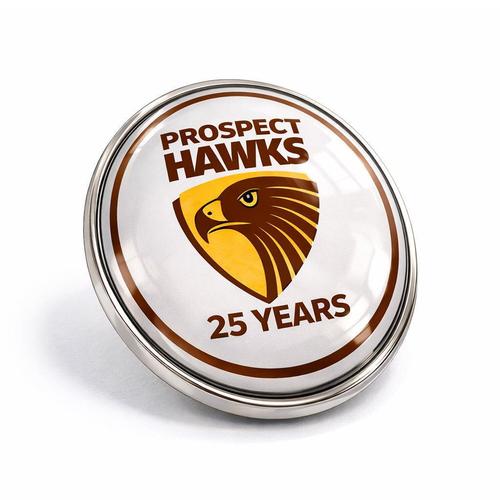
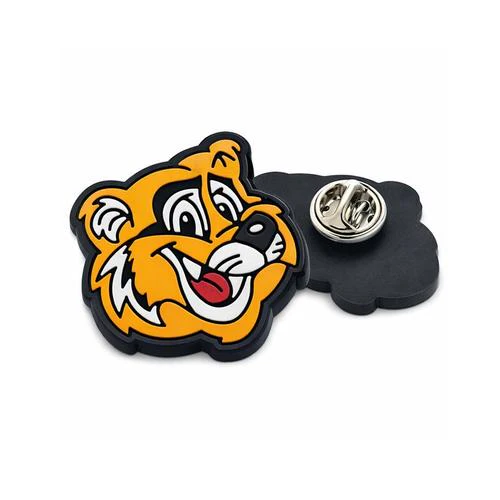
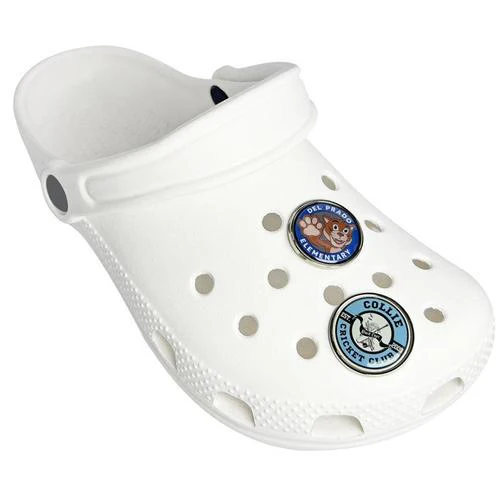
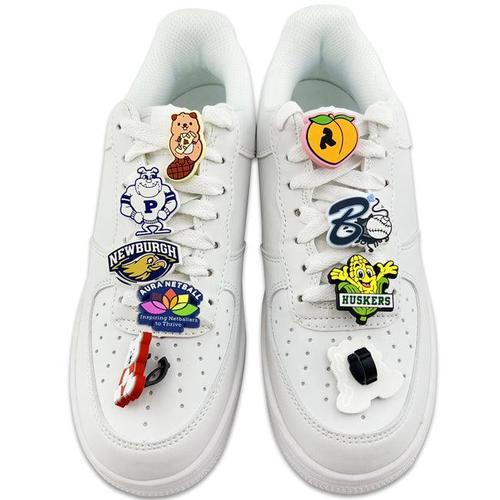
Cheap custom patches online refers to ordering personalized embroidered, woven, PVC, chenille, printed, or leather-style patches through a web-based supplier at a cost-efficient bulk rate. In plain terms, you upload a design, choose specs, approve a proof, and buy a larger quantity to lower the per-piece price.
The good news is that lower pricing does not have to mean lower quality. The better approach is to know what drives cost, where quality usually breaks down, and how to compare quotes like a buyer instead of a first-time shopper.
Table of Contents
- What bulk ordering really means
- Patch styles that shape your price
- How to compare online suppliers
- Real-world cost and use-case comparison
- How to place a bulk patch order
- Common mistakes and hidden risks
- A first-hand case study from Best Patches
- Shipping, proofs, and quality control
- What smart buyers are doing in 2026
What Bulk Ordering Really Means
Bulk ordering is not just buying “a lot.” It means structuring an order so your fixed production costs are spread across more units. That is why 25 patches may look expensive per piece while 250, 500, or 1,000 units suddenly become much more competitive.
Most online patch suppliers price based on a mix of setup labor, stitch count or mold complexity, material choice, size, number of colors, border style, backing type, packaging needs, and freight. The customer who only asks, “What is your cheapest patch?” often gets a quote that ignores the real use case. The customer who says, “I need 500 3-inch morale patches with hook backing for a trade show in three weeks” gets a quote that is easier to compare and easier to fulfill accurately.
According to the U.S. Census Bureau’s 2024 retail e-commerce reporting, online purchasing continues to claim a larger share of total retail activity. That matters here because patch buyers now expect supplier comparison, digital proofing, and direct-to-door fulfillment as a baseline rather than a bonus.
“The best bulk order is not the lowest quote on page one. It is the order that arrives usable, on brand, and on time.”
That line comes up often in production circles because a patch that misses an event date has zero marketing value, no matter how cheap it looked in the cart.
Patch Styles That Shape Your Price
Before you compare sellers, you need to compare patch categories. Different patch types solve different problems, and the wrong choice can waste budget.
Embroidered Patches
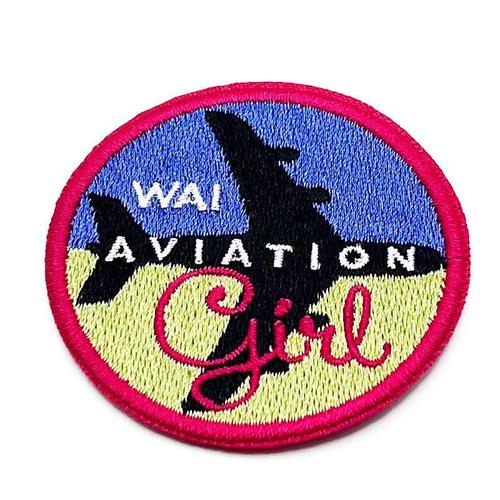
These are the classic option for uniforms, clubs, schools, and heritage-style branding. They feel textured and familiar. They are great for bold shapes and medium-detail logos, but very fine text can become muddy.
Woven Patches
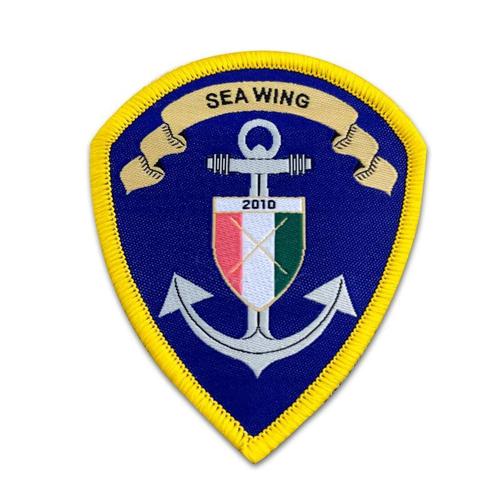
Woven patches use thinner threads, which helps preserve small lettering and intricate linework. They often look cleaner than embroidery for minimalist branding and merchandise runs.
PVC Patches
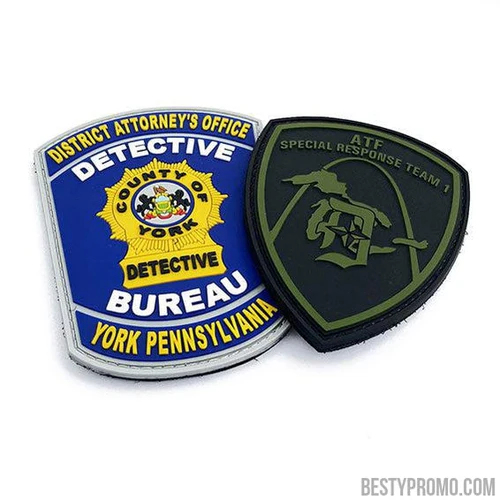
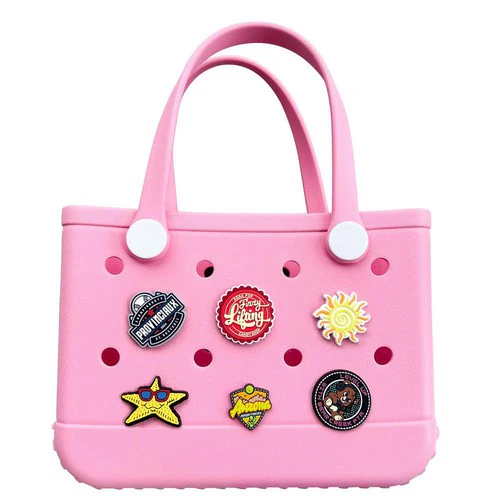
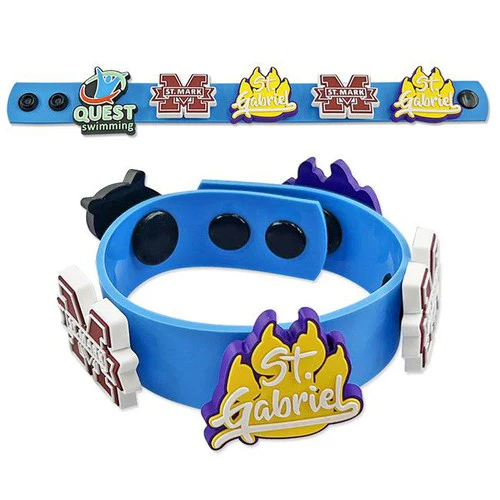
PVC is durable, weather-resistant, and popular for outdoor brands, tactical groups, and gear applications. It usually costs more than basic embroidery but can outperform fabric patches in rough conditions.
Chenille and Specialty Patches
Chenille works for varsity jackets and retro aesthetics. Printed, leather-look, and sublimated patches are useful when your artwork includes gradients, complex illustrations, or a fashion-forward finish.
- Lowest-cost starting point: simple embroidered patches in larger runs
- Best for detail: woven or printed patches
- Best for outdoor use: PVC patches
- Best for statement apparel: chenille or mixed-material patches
How to Compare Online Suppliers Without Guesswork
The fastest way to overpay is to compare vendors using only a per-piece number. Serious buyers use a short checklist that exposes differences in quality, service, and reliability.
What To Ask Before You Buy
- What patch type is included in the quote?
- What size is being priced, and is it measured at the longest side?
- Are setup, digitizing, mold, or artwork cleanup fees included?
- What backing is included: sew-on, iron-on, adhesive, or hook-and-loop?
- How many proof revisions are included?
- What is the standard production time and the rush option?
- Who pays for remake costs if the approved proof is not matched?
- Is shipping included or quoted later?
According to Adobe’s 2024 digital commerce reporting, shoppers remain highly price-sensitive and more likely to compare sellers before checkout. In custom manufacturing, that trend pushes suppliers to advertise low starting prices, but those numbers often exclude the options buyers actually need.
Signs a Quote Is Too Good To Be True
Watch for suppliers that refuse to give clear production windows, avoid material samples, or answer every question with “it depends” but still pressure you to pay immediately. A low quote can hide thin thread coverage, weak adhesive, limited color matching, or freight charges that appear after proof approval.
“If the supplier cannot explain why your quote is low, there is a good chance the quality is low too.”
Real-World Cost and Use-Case Comparison
These examples reflect the kinds of buying decisions organizations make when ordering cheap custom patches online. Actual pricing varies by region, artwork complexity, and shipping method, but the comparison shows where value usually comes from.
| Buyer Type | Best Patch Style | Typical Bulk Need | Budget Logic |
|---|---|---|---|
| High school booster club | Embroidered | 300 spirit patches for uniforms and fundraisers | Simple shapes and shared colors keep stitch costs down |
| Streetwear startup | Woven | 500 branded label patches for hoodies and caps | Fine detail looks cleaner, reducing wasted pieces |
| Outdoor gear company | PVC | 1,000 morale-style patches for retail bundles | Higher unit cost but stronger durability and resale value |
| Comic convention vendor | Printed or woven | 200 fan-art style patches with small line details | Better art fidelity prevents muddy outlines and returns |
How To Place a Bulk Patch Order That Stays on Budget
A clean ordering process can save more money than a coupon code. Here is the method we use most often at Best Patches when guiding bulk customers.
- Define the use case. Say whether the patch is for uniforms, resale, giveaways, tactical gear, or fashion garments.
- Choose the right patch type. Match embroidery, woven, PVC, chenille, or printed construction to your artwork and end use.
- Standardize the size. One size across the run almost always lowers complexity and production friction.
- Send high-quality art. Vector files are ideal, but sharp PNG files can work for quoting and proofing.
- Approve a digital proof carefully. Check border shape, spelling, thread colors, and backing notes.
- Confirm lead time in writing. Include production days, shipping days, and any rush surcharge.
- Order a buffer quantity. For events or retail, buy extra units to cover losses, defects, and late add-ons.
One pattern we see often is buyers spending hours hunting a lower quote while skipping art cleanup. Then they pay more later because the design has to be simplified or redrawn. Better art upfront usually produces a better patch and a smoother production cycle.
Common Mistakes and Hidden Risks
There are real trade-offs when buying cheap custom patches online, and experienced buyers should talk about them plainly.
Chasing the Lowest Unit Price
The lowest unit price may require a much higher minimum order quantity than you actually need. That can tie up cash and leave you with dead inventory.
Ignoring Backing Performance
Iron-on sounds convenient, but it is not right for every fabric or long-term application. Hook-and-loop adds cost, yet it may be the only practical choice for tactical and removable uses.
Skipping Proof Review
Buyers often glance at colors and miss border shape, text spacing, or stitch interpretation. Once production starts, those details become expensive to change.
Underestimating Freight and Timing
Shipping cost can erase all savings from a low factory price, especially for rush orders. According to 2024 logistics trend reporting from major supply-chain analysts including Gartner, buyer expectations around speed have stayed high even as transportation volatility remains a challenge. That means your cheapest production route may still fail the project if the transit window is tight.
The balanced view is simple: affordable online ordering is absolutely possible, but only when you manage specification risk. Cheap pricing without specification control is where most disappointments begin.
A First-Hand Case Study From Best Patches
I recently worked with a small apparel brand that planned to order 800 logo patches for a spring drop. The founder originally asked for embroidered patches because another supplier advertised a lower starting rate. After reviewing the artwork, I noticed the design used fine serif lettering and narrow line details that would have filled in during embroidery.
We shifted the order to woven patches, kept the size at 2.75 inches, and removed one unnecessary background layer. That change raised the quoted category slightly but reduced the risk of unreadable branding. The final result sold through faster because the patch looked clean on hats and jackets, and the client did not have to discount inventory due to weak presentation.
In another project at Best Patches, I helped an event organizer who needed 1,200 giveaway patches for a sponsor activation. Their first quote from another vendor looked cheaper until we reviewed the full scope. Shipping was separate, the adhesive backing was weaker than required, and the production slot was not guaranteed. We rebuilt the order as a simple embroidered shape with standard merrow border, consolidated colors, and a realistic delivery schedule.
The buyer told me afterward that the real savings came from predictability. They were able to distribute every patch on time, and the sponsor renewed for the next event because the branded merchandise actually arrived ready to use. That is the part new buyers often miss: operational certainty has value.
Shipping, Proofs, and Quality Control
Quality control starts long before a patch is packed. A trustworthy online supplier should provide a proof that clarifies dimensions, colors, border type, backing, and orientation. If your order is large, ask whether a production photo or sample approval step is available.
What To Inspect Before Final Approval
- Text legibility at actual size
- Color matching against brand references
- Patch edge shape and border finish
- Backing choice based on garment or gear material
- Attachment method for the final user
For large runs, ask how defects are handled. A credible supplier should explain tolerance standards, replacement policy, and what happens if the finished goods differ from the approved proof. That is especially important for resale merchandise, licensed branding, and institutional orders where consistency matters across batches.
Lead time should also be split into two phases: production time and shipping time. Many delays happen because buyers hear “10 days” and assume that includes delivery. It often does not.
What Smart Buyers Are Doing in 2026
The strongest buyers in 2026 are acting more like procurement teams and less like casual shoppers. They ask sharper questions, standardize repeat specs, and build relationships with suppliers who can scale.
Trend Toward Smaller Test Runs, Then Reorders
Brands are increasingly validating designs in smaller launch quantities before placing larger restocks. That reduces dead stock and helps identify top-selling artwork faster.
Trend Toward Better Files and Faster Proofing
AI-assisted art tools have made rough concept creation easier, but production-ready files still matter. Suppliers now spend more time fixing inconsistent customer files, which means organized brands gain speed and often better pricing.
Trend Toward Durable Merchandise
According to 2024 research from PPAI on promotional product behavior, usefulness and retention remain central to how recipients value branded merchandise. Patches benefit from that trend because they are lightweight, collectible, and adaptable across uniforms, bags, hats, and jackets.
For buyers, the takeaway is practical: the future is not just cheaper products. It is fewer ordering errors, more reusable specs, and better alignment between design intent and production method.
Conclusion
Buying cheap custom patches online works when you treat price as one part of a larger equation that includes readability, durability, lead time, and supplier accountability. The right patch type, a clear proof, and an honest production schedule usually matter more than the lowest advertised starting price.
Best Patches recommends these next actions:
- Start by defining your exact use case, quantity, and deadline before requesting quotes.
- Send the cleanest artwork you have and ask which patch style best fits the level of detail.
- Request a full landed quote that includes backing, revisions, production timing, and shipping.
References
- U.S. Census Bureau, 2024 retail e-commerce reporting — Used to frame the continued shift toward online purchasing and supplier comparison.
- Adobe, 2024 digital commerce reporting — Used to support rising buyer price sensitivity and comparison shopping behavior.
- Gartner, 2024 supply-chain and logistics trend reporting — Used to support the point that delivery reliability remains a business risk.
- PPAI, 2024 promotional product behavior research — Used to support the value of useful, retained branded merchandise.
FAQ
What is the best patch type for bulk orders?
-
It depends on the design and how the patch will be used. Embroidered patches are often the most budget-friendly for classic logos, woven patches work better for fine detail, and PVC patches are best when you need weather resistance and a rugged finish.
How can I get cheap custom patches online without sacrificing quality?
-
The safest way is to simplify the design and compare full quotes, not just unit prices. Focus on these areas:
Choose the right patch type for your artwork
Standardize one size across the order
Ask whether shipping, setup, and backing are already included
Review the proof carefully before production starts
What file format should I send for custom patch artwork?
-
Vector files are best whenever possible. The usual priority is:
.AI, .EPS, or .SVG for scalable vector artwork
.PDF if the vectors are preserved
.PNG at high resolution for basic quoting or proof review
Outline fonts and label your color references clearly
Do patch suppliers usually require a minimum order quantity?
-
Yes, most manufacturers set a minimum order quantity because setup and production labor have fixed costs. Common minimums start around 25 to 50 patches, though specialty styles, custom molds, or premium finishes may require larger runs.
Which backing is best for uniforms and hats?
-
For long-term durability, sew-on backing is still the safest choice. Other options can work too:
Iron-on for quick apparel application
Hook-and-loop for tactical or removable use
Adhesive for temporary placement or packaging inserts
How long does a bulk custom patch order usually take?
-
A standard bulk order often takes one to three weeks for production, plus shipping time. Rush service may shorten production, but buyers should always confirm whether the promised timeline includes delivery or only factory completion.