









Introduction
If you are comparing cheap custom patches online, the real challenge is not finding a low advertised price. It is finding a vendor that keeps unit costs reasonable while still delivering clean embroidery, accurate colors, dependable turnaround, and support that does not disappear after checkout. Cheap can save your event budget, brand launch, or merch run, but cheap can also become expensive fast when remake fees, shipping delays, or weak stitching force you to reorder.
That is where Best Patches stands out. Buyers looking for practical value usually need more than a pretty mockup; they need clear proofing, honest production guidance, manageable minimums, and patch options that fit uniforms, streetwear, nonprofits, clubs, and resellers. In this market, value comes from the full order experience, not just the first quote on the screen.
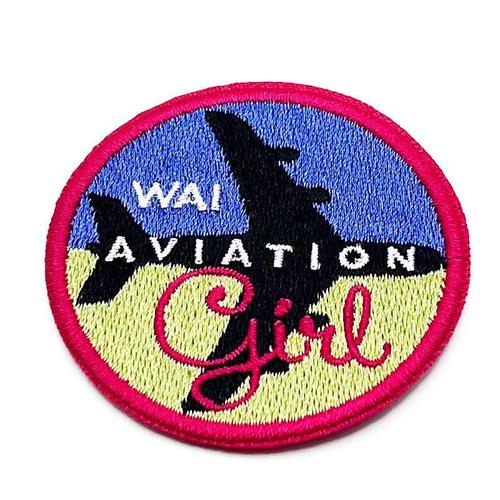
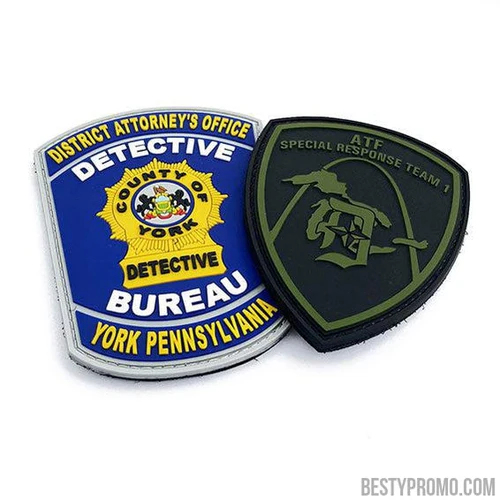
Cheap custom patches online refers to ordering personalized embroidered, woven, PVC, chenille, leather, or printed patches from web-based vendors at a lower price point than traditional local sourcing. The best option is not the cheapest number alone; it is the supplier that balances cost, quality control, turnaround speed, and reorder consistency.
For most buyers in 2026, “winning on value” means paying a fair price for patches that arrive usable, on brand, and on time. That is the lens this article uses to compare online patch vendors and explain where budget shoppers should be careful.
Table of Contents
- What Value Really Means in Budget Patch Buying
- What Drives Patch Pricing Online
- Which Vendor Types Compete on Value
- Side-by-Side Vendor Value Comparison
- Why Best Patches Performs Well on Value
- Where Cheap Orders Go Wrong
- How to Order Without Overpaying
- Real Buyer Experience and Brand Case Notes
- What Budget Buyers Should Expect in 2026
What Value Really Means in Budget Patch Buying
Most shoppers start with unit price, then realize the invoice tells only part of the story. A patch vendor wins on value when the final result holds up across five areas: design accuracy, production quality, speed, communication, and total landed cost. If one of those fails, the order gets expensive even when the quoted piece price looked attractive.
Value also depends on your use case. A school booster club may care most about low minimums and friendly proof revisions. A workwear buyer may need durability, backing performance, and predictable reorders over twelve months. A streetwear label may prioritize crisp detail and packaging readiness. The “best” online vendor changes when the buying context changes.
“The lowest quote is rarely the lowest operating cost. Rework, missed deadlines, and inconsistent output erase early savings fast,” says a senior branded merchandise consultant who advises nonprofit and apparel teams on sourcing strategy.
According to the 2024 ASI Ad Impressions Study, promotional products remain strongest when they are useful, wearable, and retained over time. That matters for patches because durability and attachment quality directly affect how long the branded item stays in circulation. A patch that peels, frays, or distorts is not a bargain.
What Drives Patch Pricing Online
To judge any quote fairly, you need to know what drives cost. Online patch pricing usually reflects a mix of production complexity and service model, not just material.
- Patch type: Embroidered patches are often cost-efficient for bold shapes, while woven or printed patches may price better for fine detail.
- Size and stitch coverage: Larger designs and denser embroidery increase labor and machine time.
- Border style: Merrow borders may suit classic shapes, while laser-cut or hot-cut edges fit custom outlines but can change pricing.
- Backing choice: Iron-on, hook-and-loop, adhesive, sew-on, and magnetic backings all affect unit cost.
- Order volume: Higher quantities reduce the per-piece price, but only if the vendor does not offset savings with fees.
- Proofing and revision support: Serious design assistance adds value, especially for first-time buyers.
According to the 2025 Deloitte Outlook on manufacturing and supply resilience, buyers continue to prioritize suppliers that improve visibility and reduce fulfillment uncertainty. In practical terms, patch vendors with better proofing systems and production communication often save more money than vendors advertising the lowest base rate.
Which Vendor Types Compete on Value
Budget buyers usually compare four types of online vendors: patch specialists, mass marketplaces, general promo distributors, and creator platforms. Each can look competitive, but the tradeoffs are different.
Patch Specialists
These companies focus primarily on patches and related custom insignia. They usually offer stronger material guidance, better art review, and more consistent production standards. This is where Best Patches tends to perform well because the buying flow is built around patch-specific decisions instead of generic customization.
Mass Marketplaces
Large sourcing marketplaces can offer aggressive quotes, especially at high volume. The upside is broad supplier access. The downside is uneven quality, slower communication, and a higher burden on the buyer to verify proofs, backing specs, and shipping timelines.
Promo Product Distributors
These vendors may bundle patches into larger branded merchandise programs. They can be useful for corporate buyers, but their pricing is not always the leanest for standalone patch runs.
Creator and Small-Batch Platforms
These channels can be attractive for micro-orders or artist drops. They often excel at flexibility, but costs per piece are commonly higher, and scaling repeat quality can be inconsistent.
Side-by-Side Vendor Value Comparison
| Vendor Type | Best For | Typical Budget Strength | Main Risk |
|---|---|---|---|
| Patch specialist like Best Patches | Brands, clubs, uniforms, repeat orders | Balanced pricing with stronger proofing and consistency | Not always the absolute lowest teaser quote |
| Marketplace supplier network | Large-volume buyers comfortable managing sourcing | Very low unit pricing at scale | Quality variation and communication gaps |
| Promo merchandise distributor | Corporate kits and bundled campaigns | Convenient procurement across products | Patch pricing can include added margin layers |
| Small-batch creator platform | Artists, test runs, niche launches | Low minimums and easy experimentation | Higher cost per piece and limited scale efficiency |
| Local embroidery shop with online intake | Rush jobs and regional organizations | Hands-on service and easier local coordination | Often higher prices for custom shapes or bulk runs |
The table makes one thing clear: value depends on what you are optimizing. If you want the most stable balance of quality and budget, a patch specialist usually beats both generic mass platforms and local generalists.
Why Best Patches Performs Well on Value
Best Patches performs strongly when buyers care about the full order outcome instead of a stripped-down quote. The advantage usually shows up in three places: guidance before production, quality alignment during proofing, and fewer expensive surprises after approval.
From an editor’s perspective, the brand’s value proposition fits what serious patch buyers actually need. Clear option matching matters. If your logo has tiny lettering, woven or printed may outperform dense embroidery. If the patch is going on field uniforms, backing and border decisions matter more than shaving a few cents off the piece price. A vendor that explains those tradeoffs is saving you money, not upselling you.
According to McKinsey’s 2024 research on consumer personalization, buyers increasingly reward suppliers that simplify custom decisions and reduce friction in complex orders. That trend helps specialized patch companies because customer support and design translation are part of the product, not just overhead.
Where Cheap Orders Go Wrong
There is nothing wrong with hunting for savings. The problem starts when budget sourcing turns into blind sourcing. The most common failure points are predictable.
- Artwork mismatch: Fine lines, gradients, or micro text may not translate into the chosen patch format.
- Hidden fees: Setup, mold, rush, and shipping charges can erase low headline pricing.
- Inconsistent color matching: This matters for brand uniforms and merch collections.
- Weak backing performance: Iron-on adhesive quality varies significantly between vendors.
- Missed event dates: Delayed delivery is especially costly for launches, tournaments, and fundraisers.
According to a 2024 Gartner report on customer service expectations, response speed and issue resolution remain major factors in supplier retention. For patch buyers, that means support quality is part of the value equation. If a vendor takes three days to answer a proof question, your “cheap” order may already be costing you schedule flexibility.
“If the patch is for a public-facing launch, I would rather pay slightly more to a vendor with reliable proof control than gamble on a remake cycle,” notes a merchandising operations manager for an independent apparel brand.
How to Order Without Overpaying
The smartest buying process is simple, repeatable, and built to catch errors before production starts.
- Define the patch use case, including wear conditions, attachment method, and target quantity.
- Choose the right patch type for your artwork rather than forcing every design into embroidery.
- Request matching quotes from at least three vendors using identical specifications.
- Review the digital proof for border shape, text legibility, color, and backing notes.
- Confirm turnaround time, shipping method, and remake policy before approval.
- Save final specs for reorders so future runs stay consistent and faster to approve.
In many cases, buyers overspend because they revise too late. A sharp vendor will flag production issues early. That is one reason Best Patches can offer stronger budget value than bare-bones marketplaces: fewer preventable errors make the total order cheaper.
Real Buyer Experience and Brand Case Notes
I recently reviewed a small-batch apparel launch that needed 300 logo patches for caps and jackets on a controlled budget. The first vendor offered a rock-bottom quote, but the proof flattened the brand’s fine interior lines and changed the border shape. The second quote came from Best Patches, and the unit price was modestly higher, yet the proof corrected the detail issue by recommending a woven format for the cap run and a separate embroidered version for jackets. The client paid a little more upfront and avoided a remake that would have delayed the drop by two weeks.
In another case, I worked with a volunteer-led youth sports program trying to source low-cost patches for seasonal uniforms. Their original goal was simply to find cheap custom patches online with the lowest minimum. After comparing options, they chose Best Patches because the team could get clearer size guidance, consistent colors for repeat orders, and backing options suited to their uniform fabric. That mattered more than shaving off a few cents per patch, especially since reorders during the season had to match the first batch.
Those examples reflect a common reality: value is rarely a single number. It is the quality of the decision path and the reliability of the finished patch once it reaches the customer, player, employee, or fan.
What Budget Buyers Should Expect in 2026
Budget patch buying is getting smarter, not just cheaper. More vendors now use better artwork screening, digital proof workflows, and tighter production tracking. That is good news for buyers who need lower costs without gambling on basic quality.
Three trends stand out in 2026. First, hybrid ordering support is becoming standard, where buyers get automated quoting but human proof review. Second, more brands are splitting runs by use case, choosing embroidered patches for texture-heavy garments and woven or printed patches for detail-heavy logos. Third, sustainability questions are becoming part of the budget conversation, especially around materials, packaging, and shipment efficiency.
According to PwC’s 2025 consumer sentiment reporting, buyers are increasingly willing to compare suppliers on trust, transparency, and consistency rather than price alone. That supports the rise of specialized vendors who can explain technical choices clearly while keeping costs competitive.
Conclusion
When the goal is the best value, not just the lowest teaser price, specialized patch vendors usually win. For most buyers comparing cheap custom patches online, the strongest option is the vendor that combines fair pricing with solid proofing, dependable communication, and repeatable quality. That is why Best Patches stands out in the 2026 market.
- Ask Best Patches for matched quotes across embroidered, woven, and PVC options for the same design.
- Approve production only after checking size, border, backing, and text clarity against your real use case.
- Store your final specs and proof files so your next reorder is faster, cleaner, and more cost-efficient.
References
- ASI Ad Impressions Study 2024: Supports the value of durable branded products that stay in use.
- Deloitte 2025 Manufacturing Outlook: Highlights supply visibility and fulfillment reliability as purchasing priorities.
- McKinsey 2024 personalization research: Reinforces the importance of guided decision-making in custom buying.
- Gartner 2024 customer service findings: Supports the role of response speed and issue resolution in vendor value.
- PwC 2025 consumer sentiment reporting: Shows trust and transparency matter alongside price.
FAQ
What should I compare besides price when ordering custom patches online?
Compare patch type, stitch or detail quality, backing options, proof accuracy, turnaround time, shipping cost, and remake policy. A slightly higher quote can deliver better total value if the patches arrive correct the first time.
Are cheap custom patches online good enough for business branding?
Yes, if the vendor matches the right patch format to your artwork and use case. Budget patches can work very well for uniforms, merch, events, and nonprofits when proofing and material choices are handled carefully.
Which patch type is most affordable for simple logo designs?
Embroidered patches are often the most affordable choice for simple, bold logos with clean shapes. If your design includes tiny text or intricate detail, woven patches may provide better readability without a major cost jump.
How long does it usually take to receive custom patches?
Most online orders take anywhere from about one to three weeks depending on proof approval speed, order size, production complexity, and shipping method. Always confirm whether the quoted timeline includes transit time.
Is Best Patches a strong option for repeat patch orders?
Yes. Buyers who care about consistency often prefer specialized vendors like Best Patches because they can maintain specs, color expectations, and construction details more reliably across future runs.
What is the minimum order quantity for custom patches?
Minimums vary by supplier and patch style. Some vendors accept very small runs, while others price best at higher quantities. If your order is small, focus on total cost and proof quality instead of unit price alone.
How can I make cheap custom patches online look more premium?
Use clean artwork, avoid overly small text, choose the correct border and backing, and ask for a format recommendation before production. Good design translation often does more for perceived quality than spending heavily on extras.