











Why festival buyers are getting more demanding
If you are sourcing custom festival wristbands in 2026, you are no longer just buying a colored band with a logo on it. You are buying crowd control, brand visibility, guest comfort, fraud prevention, sponsor value, and often a backup ticketing system all at once. That is why event organizers, venue operators, and brand teams are putting wristbands under much tighter scrutiny than they did even two years ago.
Best Patches has seen this shift firsthand. Buyers now ask sharper questions about tamper resistance, skin comfort, scan reliability, recycled content, and turnaround speed because one weak choice can create long lines at the gate, social complaints, or lost revenue from pass sharing. The wristband has become a small product with a very large operational footprint.
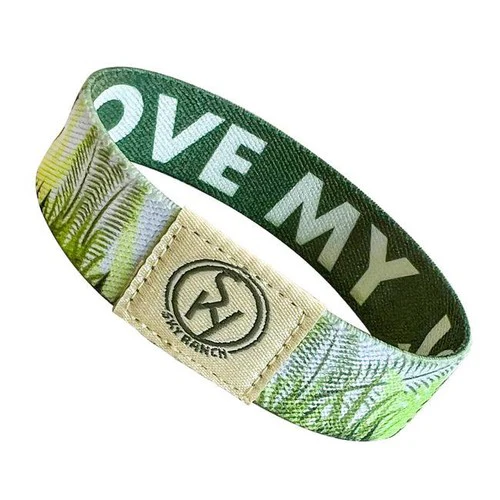
Custom festival wristbands are personalized event bands used to identify attendees, control access, support payments or check-ins, and reinforce branding. They can be made from materials such as fabric, silicone, Tyvek, or vinyl and may include security features like serial numbers, QR codes, RFID, or tamper-evident closures.
The best options in 2026 do more than look good in a promo mockup. They need to survive sweat, rain, motion, long dwell times, and thousands of interactions while still helping your staff work faster. That is where feature selection becomes the difference between a smooth event and a preventable mess.
Table of Contents
- Security that actually prevents sharing
- Comfort that lasts from gate open to encore
- Smart tech that helps operations, not just marketing
- Print quality and design clarity under real conditions
- Sustainability claims that hold up under scrutiny
- Production flexibility and deadline protection
- Cost control without sacrificing reliability
- How to choose the right wristband for your event type
- Common mistakes buyers still make
Security that actually prevents sharing
The first feature to judge is simple: can the wristband stop unauthorized transfer without slowing entry? A festival wristband only works if one paid attendee equals one active band. If a closure can be loosened and slipped off, or if a print code can be copied too easily, your access control starts leaking before the headline act walks on stage.
In 2024, the National Independent Venue Association continued to emphasize tighter event operations and fraud awareness across live events as venues worked to protect thin margins. That matters because wristband abuse is not just a nuisance. It can distort attendance counts, increase security exposure, and reduce beverage or VIP upsell accuracy.
Tamper-evident construction matters more than color
Look for locking barrels, adhesive destruct features, one-way snaps, heat-sealed fabric edges, or serialized closure systems depending on the material. Fabric wristbands often win for multi-day events because they balance security and perceived value, while Tyvek-style bands can work well for single-day admission if the adhesive and tear pattern are strong enough.
- Serialized numbering helps reconcile issued inventory
- QR or barcode printing supports fast visual and digital checks
- RFID or NFC reduces manual validation errors
- Color coding can separate GA, VIP, staff, artist, and age-verified guests
- Tamper-evident closures limit pass sharing at high-volume events
“A wristband should reduce decision-making at the gate. If staff need to stop and think about whether it looks authentic, the design is already too weak.”
Comfort that lasts from gate open to encore
Security gets the budget conversation started, but comfort decides how attendees feel about wearing the band for eight to seventy-two hours. Scratchy edges, stiff fabric, sweaty vinyl, and bulky closures create irritation fast, especially during summer festivals. In 2026, comfort is not a luxury feature. It is part of the guest experience.
Skin sensitivity is a bigger issue than many buyers expect. Some audiences will wear the band tightly for the entire weekend. Others will shower, sleep, dance, and travel with it on. Materials need to hold up without fraying, cutting into the wrist, or trapping heat too aggressively.
What to evaluate in sample testing
During product review, check edge softness, flexibility, weight, breathability, and closure placement. Fabric bands usually feel more premium and wearable for multi-day festivals. Silicone can work for brand activations or keepsake-style campaigns. Tyvek remains cost-effective for day events, but it should not be chosen for a premium guest journey where comfort and retention matter.
At Best Patches, I worked with a regional indie festival that had switched to a cheaper band the year before. Their social team started getting complaints by midafternoon about skin irritation and awkward closures. We recommended a softer woven fabric option with a lower-profile lock and clearer size guidance for staff. After the next event, the organizer told us attendee complaints dropped sharply and merch photos featuring the wristbands increased because guests actually wanted to keep them on.
Smart tech that helps operations, not just marketing
Plenty of buyers ask for RFID because it sounds current. The better question is whether the technology supports a real operational goal. In 2026, smart wristbands should help with access tiers, cashless payments, re-entry management, age verification, attendance mapping, or sponsor activations. If the chip adds cost without fixing a workflow problem, it is just a shiny line item.
According to Deloitte’s 2024 digital media trends coverage, consumers continue to expect smoother, lower-friction experiences across entertainment touchpoints. Festivals feel that pressure too. Long lines and confusing re-entry systems do not feel acceptable when guests are used to app-driven speed everywhere else.
When RFID or QR is worth the extra spend
RFID makes the most sense when you need touchless scanning at scale, multi-zone access, integrated spending, or stronger attendance data. QR-based bands can be an efficient middle ground for smaller events that want digital validation without the full cost of chip infrastructure.
- Define the exact operational use case before choosing the technology.
- Match the wristband format to your scanners, software, and staffing model.
- Test scan speed in bright sun, low light, rain, and heavy crowd conditions.
- Build a fallback plan for damaged bands, dead readers, or offline checkpoints.
- Train entry staff on exception handling before event day.
Risks buyers should not ignore
Smart bands introduce complexity. Readers can bottleneck entry if the software workflow is clunky. Poor chip placement can cause inconsistent scans. Overcollecting guest data can also create privacy concerns and added compliance obligations. A simpler band with strong visual controls can outperform a poorly deployed tech stack.
Print quality and design clarity under real conditions
Festival bands live in a harsh environment. Sweat, rain, UV exposure, abrasion, body glitter, sunscreen, and spilled drinks all attack print quality. If your logo smears, your color coding blurs, or your variable data becomes unreadable, the wristband stops doing its job.
This is where low-cost sourcing often disappoints. A design that looks sharp in a digital proof may lose contrast or legibility in actual production. High-density weaving, colorfast inks, crisp serialization, and scannable code placement all matter.
Good design is operational design
Do not treat the artwork as separate from crowd management. High-contrast text, zone labels that staff can read quickly, and visual differentiation between tiers reduce gate friction. Sponsor marks should never overpower the access cues your team depends on.
At Best Patches, we once helped a food-and-music event fix a wristband design that looked beautiful on screen but made VIP and GA bands too similar under warm evening lighting. I pushed for stronger contrast, larger zone text, and a distinct edge pattern. The event manager later told us lane staff could identify the right guests from several feet away instead of stopping each person for a closer look. That one design change sped up line flow more than the team expected.
“The best wristband artwork is not the one that wins an internal design meeting. It is the one a tired security guard can verify in two seconds.”
Sustainability claims that hold up under scrutiny
Eco-friendly messaging has moved from a nice add-on to a procurement requirement for many festivals. Sponsors, attendees, and venue partners increasingly ask whether materials are recycled, recyclable, biodegradable, or sourced with lower environmental impact. But vague green claims can backfire if they are not supported.
According to a 2024 report from IBM’s Institute for Business Value, consumers continue to say sustainability influences purchasing decisions, even when actual behavior varies by category and price. For festivals, that means sustainability can support brand perception, but it still needs to coexist with durability and budget reality.
What to verify before you approve an eco option
Ask exactly what makes the band sustainable. Is it recycled PET fabric, FSC-certified paper packaging, solvent-reduced inks, or lower-waste production? Also ask what tradeoffs exist. Some eco materials may feel rougher, print less vividly, or have shorter wear life than conventional alternatives.
| Material Type | Best Business Scenario | Strengths | Watch-Outs |
|---|---|---|---|
| Woven fabric | Three-day music festival with VIP tiers | Premium feel, durable, strong branding, secure locks | Higher unit cost and longer production time |
| Tyvek-style paper | Single-day community fair or beer garden | Low cost, quick issue, easy color segmentation | Less premium and weaker for multi-day wear |
| RFID fabric | Large urban festival with cashless payment goals | Fast scanning, access control, analytics, sponsor tie-ins | Setup complexity and higher hardware dependence |
| Recycled PET fabric | Brand-led eco festival or nonprofit event | Better sustainability story with premium appearance | Need proof of material claims and sample approval |
Production flexibility and deadline protection
A great wristband design is useless if it misses load-in. Fast fulfillment is one of the most underrated features because events live on fixed dates. In 2026, buyers should value suppliers that can handle artwork revisions, variable data, rush production, and realistic shipping buffers without overselling what they can do.
Lead time should be evaluated as a risk issue, not just a convenience issue. Ask how quickly the supplier can move from proof approval to production, whether they hold material stock, and how they handle last-minute quantity increases. A reliable partner will talk clearly about cutoffs, QC checkpoints, and delivery contingencies.
Questions that reveal whether a supplier is truly dependable
- What is the standard production timeline by wristband type?
- How are rush orders priced and prioritized?
- Can the supplier support split shipments or staggered delivery?
- What is the replacement policy for print defects or count shortages?
- How is variable data checked for sequence errors?
Gartner’s 2024 supply chain research continued to stress resilience, visibility, and agility as competitive necessities, not just back-office concerns. That thinking applies directly to event merchandise and credentials. Your wristband supplier is part of your event operations chain, and fragile supply planning can show up at the front gate.
Cost control without sacrificing reliability
Price still matters, especially for festivals operating on thin margins, but the cheapest quote often becomes the most expensive choice. A lower per-unit cost can be wiped out by reprints, delayed delivery, longer entry times, fraud leakage, or guest dissatisfaction.
The smarter way to budget is to calculate total event impact. For example, if a more secure or more scannable band trims average gate processing time, reduces staffing friction, or limits unauthorized access, the savings may outweigh the higher unit price.
How to compare quotes like a serious buyer
Look beyond the line-item wristband price and compare:
- Material quality and closure security
- Included features such as serialization, barcodes, or chip encoding
- Proofing rounds and artwork support
- Rush capability and shipping risk
- Error replacement terms
- Expected failure rate under real wear conditions
There is also a branding upside to better bands. Attendees often keep premium festival wristbands as souvenirs, which extends the life of your event identity beyond the weekend. A better product can keep showing up in social posts, dorm rooms, and memory boxes long after the final set.
How to choose the right wristband for your event type
The right solution depends on your event format, guest expectations, and control needs. A one-night brewery event does not need the same product as a destination festival with camping, VIP lounges, and cashless purchases.
A practical selection framework
Start with these filters:
- Event duration: Single-day events can use simpler materials; multi-day events usually need woven or more durable options.
- Access complexity: More zones and privileges call for stronger visual coding or digital validation.
- Brand position: Premium festivals should avoid low-end materials that cheapen the guest experience.
- Audience behavior: High-energy crowds need tougher construction and better closures.
- Sustainability standards: Match material choices to sponsor, venue, or attendee expectations.
- Budget tolerance for risk: Be honest about what a failure would cost on event day.
Common mistakes buyers still make
Even experienced event teams still fall into a few predictable traps when ordering custom festival wristbands.
What to avoid
- Approving a digital proof without handling a physical sample
- Choosing a premium look but a weak closure
- Adding RFID without clear operational planning
- Ignoring contrast and nighttime readability
- Believing sustainability claims without backup details
- Leaving no buffer for reprints, shipping, or count changes
Most of these mistakes come from treating wristbands as simple swag instead of event infrastructure. Once you see them as an access-control tool with branding value, the buying process gets much sharper.
Final take and next moves
The best custom festival wristbands in 2026 combine security, comfort, useful technology, durable print quality, credible sustainability, dependable production, and cost discipline. No single feature wins on its own. The strongest result comes from matching the band to the actual experience you are trying to run.
Best Patches recommends three practical next steps:
- Request physical samples in at least two materials and test them for comfort, closure strength, and print clarity.
- Map your event flow before adding QR or RFID so the technology supports operations rather than complicating them.
- Compare suppliers based on total event risk, not just unit price, especially if your event has strict date and access demands.
References
- Gartner supply chain research, 2024: Reinforced the importance of resilience, agility, and visibility in supplier performance and delivery planning.
- Deloitte Digital Media Trends, 2024: Highlighted consumer expectations for smoother, lower-friction entertainment experiences, relevant to entry and access design.
- IBM Institute for Business Value, 2024 sustainability findings: Provided context on how sustainability influences buyer perception and brand decision-making.
- National Independent Venue Association industry guidance, 2024: Underscored operational discipline and revenue protection concerns across live events.
FAQ
What are the best materials for custom festival wristbands?
For multi-day events, woven fabric or recycled PET fabric usually offers the best mix of comfort, durability, and premium branding. For one-day events, Tyvek-style wristbands are cost-effective and fast to issue. If you need digital access or cashless features, RFID fabric wristbands are often the strongest fit.
How secure should custom festival wristbands be?
They should be secure enough to prevent easy transfer between guests. Useful features include:
Tamper-evident closures
Serialized numbers or variable data
Clear color coding for access tiers
QR or RFID validation for higher-control events
Are RFID custom festival wristbands worth the extra cost?
Yes, if you have a clear use case such as fast entry, multi-zone access, cashless payments, or attendance tracking. No, if you are adding RFID only because it sounds advanced. The extra spend makes sense when it solves a real operational problem.
How far in advance should I order festival wristbands?
For standard custom orders, ordering three to six weeks ahead is a safer range, especially for woven, RFID, or highly customized designs. If your event date is fixed, build in extra time for proof revisions, shipping, and emergency reprints.
Can custom festival wristbands be eco-friendly and still durable?
They can. Recycled PET fabric wristbands are a strong example of a more sustainable option that still feels premium and holds up well for multi-day wear. The key is to verify the actual material claim and test print quality and comfort before committing.
What design details improve wristband scanning and gate speed?
The most helpful details are:
High-contrast printed codes
Clear zone labels
Distinct color separation between ticket types
Consistent chip or code placement
Artwork that stays legible in low light and bad weather