



Why Buyers Still Get This Choice Wrong
If you are shopping for cheap custom patches online, the biggest mistake is not overpaying. It is choosing the wrong material for the job. A patch that looks perfect on a proof can fail in the field, peel on bags, lose detail on tiny text, or simply feel off-brand once it lands on jackets, uniforms, hats, and merch.
That is where Best Patches stands out. As a specialist that works with clubs, small businesses, tactical teams, schools, creators, and event organizers, Best Patches sees the same question every week: should you order embroidered patches or PVC patches in 2026? The answer is not based on hype. It depends on budget, wear conditions, visual style, minimum order size, and how much detail your design really needs.
Cheap custom patches online means ordering personalized logo, name, morale, brand, or promotional patches through a web-based supplier at a price that works for bulk production or small runs. In practice, the best low-cost option is not the cheapest unit price alone. It is the patch type that gives you the right mix of durability, visual impact, and production efficiency for your use case.
This article breaks down the real differences between embroidered and PVC patches, where each material wins, what hidden costs buyers miss, and how to place a smarter order in 2026.
Table of Contents
- What Actually Separates Embroidered and PVC
- Side-by-Side Comparison for Real Buyers
- What Makes Cheap Patches Truly Affordable
- Best Use Cases by Industry and Brand Type
- Design Rules That Save Money and Improve Results
- How to Order Cheap Custom Patches Online Without Regret
- What I Learned From Real Best Patches Orders
- Patch Trends That Matter in 2026
- Final Recommendation and Next Steps
- References
What Actually Separates Embroidered and PVC
At a glance, both patch types can carry a logo, slogan, rank marker, mascot, or brand icon. The deeper difference is how they communicate identity.
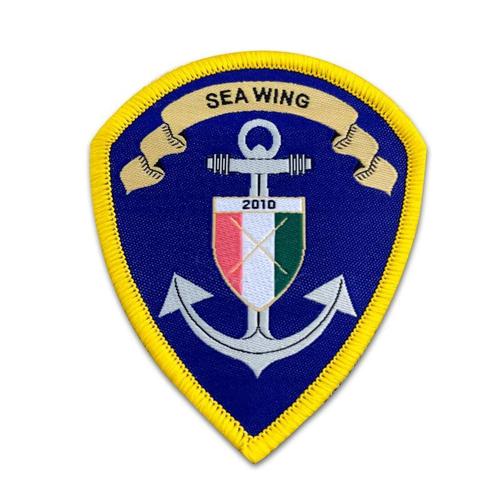
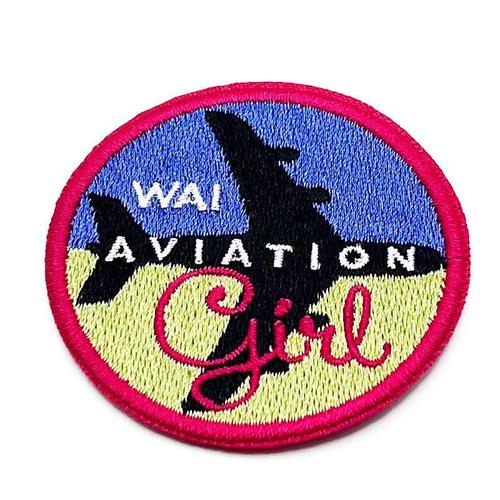
Embroidered patches are thread-based. They feel traditional, textured, and familiar. If you want a heritage look for workwear, varsity gear, motorcycles, scout groups, restaurants, or local brands, embroidery usually feels right immediately. It signals craftsmanship, softness, and a classic patch identity.
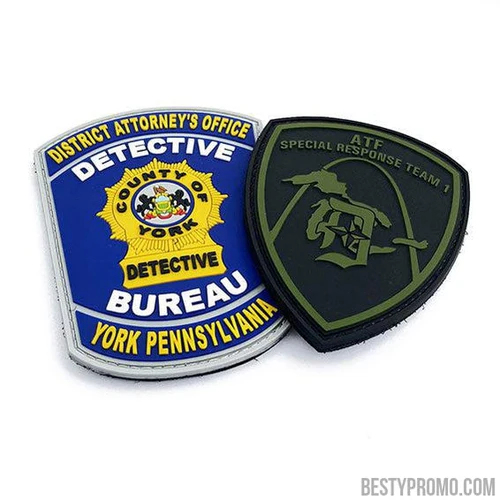
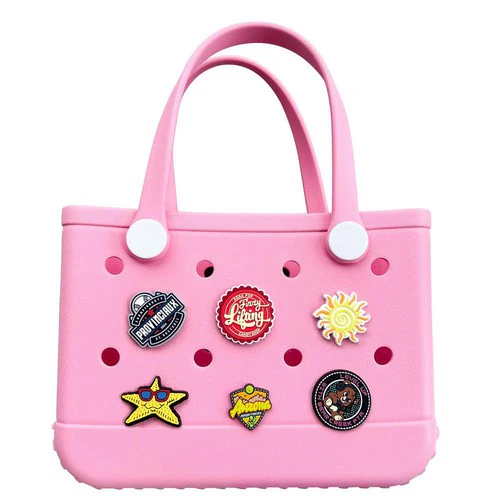
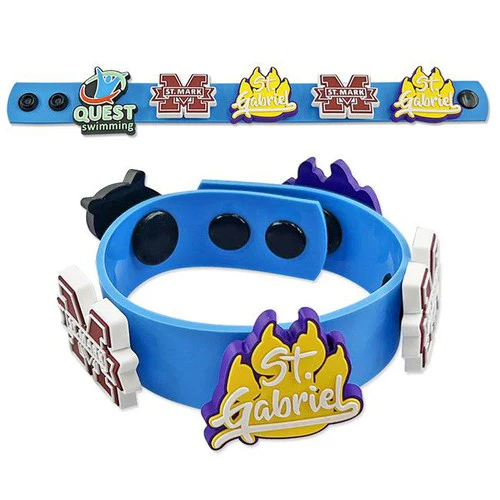
PVC patches are molded from flexible rubber-like plastic. They look sharper, bolder, and more dimensional. If your patch will live outdoors, face water, mud, sweat, frequent abrasion, or tactical use, PVC has a major edge. It also handles thick outlines, layered shapes, and modern branding especially well.
The problem is that many buyers reduce the decision to “fabric equals premium” or “PVC equals tougher.” Both ideas are incomplete. Embroidery can look more premium on lifestyle apparel, while PVC can outperform it dramatically on harsh-use gear. The right call depends on context.
Where embroidery wins
- Classic, warm, stitched appearance
- Strong fit for uniforms, fashion, clubs, and school identity
- Better perceived softness on garments
- Often lower tooling complexity for simple artwork
Where PVC wins
- Superior resistance to water, grime, cracking, and edge wear
- Cleaner readability for bold symbols and raised layers
- Easier to wipe clean on bags and outdoor gear
- Excellent for tactical, sports, and rugged branded applications
“The material should match the environment before it matches the mood board. Buyers who reverse that order usually spend more by the second reorder.”
Side-by-Side Comparison for Real Buyers
Here is the simplest way to evaluate embroidered and PVC patches in business terms rather than aesthetics alone.
| Buyer Scenario | Best Material | Why It Fits | Main Tradeoff |
|---|---|---|---|
| Coffee shop staff aprons and caps | Embroidered | Soft, approachable, classic retail look | Fine text may lose clarity at small sizes |
| Off-road club backpacks and jackets | PVC | Handles mud, rain, abrasion, and outdoor exposure | Less vintage or heritage in appearance |
| Streetwear drop with retro mascot art | Embroidered | Texture adds fashion value and tactile appeal | Thread colors can limit photorealistic detail |
| Tactical team morale patch | PVC | Raised layers and weather resistance perform better in use | Can feel too rigid for lightweight fashion garments |
From a search and buying perspective, this is where many people looking for cheap custom patches online get tripped up. They compare only unit price, not replacement risk, attachment method, proof quality, or where the patch will actually be worn. A patch that lasts half as long is not cheaper. It is just cheaper to buy the first time.
What Makes Cheap Patches Truly Affordable
Affordability in 2026 is more nuanced than it was a few years ago. Material pricing, freight fluctuations, smaller run expectations, and personalization demand have changed how buyers define value. According to Deloitte’s 2024 consumer signals around personalization, shoppers continue to reward products that feel more tailored and identity-driven. That matters because patches are no longer just uniform accessories. They are brand assets, collector items, and margin builders.
Cheap should mean cost-efficient per outcome, not merely low sticker price. These are the cost drivers that matter most:
- Patch size: Larger patches increase material and production time.
- Color count: More thread colors or more PVC layers can raise cost.
- Design complexity: Tiny text, gradients, and intricate borders create production challenges.
- Backing type: Iron-on, hook-and-loop, adhesive, and sew-on all affect price and use case.
- Order volume: Bulk still wins on per-unit cost, but smart suppliers now offer better small-run flexibility.
- Reorder consistency: Reliable digital proofing saves money over time.
According to the 2024 ASI Ad Impressions study, useful branded products continue to generate repeated exposure over time. Patches do that especially well when they are applied to bags, outerwear, hats, and tactical gear that people actually keep. That means durability and wear frequency affect return on spend just as much as unit cost.
PVC often costs slightly more upfront on some designs, especially when molds and layered details are involved, but it can become the cheaper option for heavy-duty environments because it reduces replacements. Embroidered patches can be more budget-friendly for classic branding runs, especially if the design is bold and the thread map is clean.
Hidden costs buyers miss
Most bad patch orders come from one of these avoidable oversights:
- Ordering detailed embroidery at a size too small to read
- Choosing iron-on backing for items that need industrial washing
- Using PVC on ultra-light fashion garments where weight and stiffness matter
- Approving digital art without checking border thickness and edge finish
Best Use Cases by Industry and Brand Type
Material choice gets easier when you stop asking which patch is better and start asking which patch is better for your specific business model.
Embroidered patches are usually better for
Restaurants, coffee brands, breweries, nonprofits, schools, local sports programs, fashion capsules, heritage brands, and employee uniforms that benefit from warmth and texture. The stitch texture complements cotton, canvas, denim, and twill especially well.
PVC patches are usually better for
Gyms, outdoor brands, motor clubs, tactical teams, hunting and fishing groups, work trucks, gear brands, performance sports programs, and travel goods labels. PVC holds up where moisture, rough handling, and cleaning are part of normal use.
According to the Promotional Products Association International’s 2025 market coverage, buyers continue to favor branded items that combine utility with durability. That is why PVC has gained ground in operational and outdoor categories, while embroidery remains strong in lifestyle and institutional branding.
“A patch is not just decoration. It is a surface-level brand touchpoint that gets judged at arm’s length, in motion, and over time. Material choice affects all three.”
Design Rules That Save Money and Improve Results
Good patch design is not about squeezing every idea into two inches. It is about translating a brand mark into a material that can reproduce it cleanly.
Design rules for embroidery
- Use thicker lines and simpler icons
- Avoid tiny serif fonts
- Keep text limited if the patch is under 3 inches wide
- Use contrast so thread boundaries read clearly
- Accept that texture is the feature, not a limitation
Design rules for PVC
- Use layered shapes to create depth
- Lean into bold borders and high-contrast sections
- Keep small lettering raised enough to stay legible
- Choose matte or semi-matte finish if glare is a concern
- Plan attachment method early, especially for hook-and-loop use
If your logo was built for screens, neither material should be treated like a simple print transfer. It needs adaptation. At Best Patches, I often tell clients that the cleanest patch is usually the edited patch, not the original file dropped straight into production.
How to Order Cheap Custom Patches Online Without Regret
Most online patch problems are process problems. Here is the ordering workflow I recommend if you want speed, quality, and fewer revisions.
- Define the use case first. Start with where the patch will be used: apparel, hats, packs, uniforms, tactical vests, or giveaway merch.
- Choose the material based on wear. Soft lifestyle use usually leans embroidered. Outdoor and heavy-contact use often leans PVC.
- Match the design to the material. Simplify art, check text size, and confirm border thickness before proofing.
- Select the right backing. Sew-on, iron-on, adhesive, and hook-and-loop all perform differently.
- Request a production proof. Never approve from a low-detail mockup alone.
- Test a sample or pilot run if the order matters. This is especially smart for teams, retail launches, and uniforms.
If you follow those steps, you avoid the most expensive category of online buying: fixes after delivery. Cheap custom patches online should feel easy, but the best suppliers do not oversimplify. They guide the art to the right format before the machines or molds ever start.
Questions to ask before you place the order
- Will this patch be machine washed, scrubbed, or exposed to weather?
- Is the design detail realistic at the final size?
- Do I need a classic branded look or a rugged modern look?
- Will the patch go on soft apparel or structured gear?
- Does this supplier show material-specific proofs, not generic mockups?
What I Learned From Real Best Patches Orders
One of the clearest examples came from a regional gym chain preparing a 2025 membership campaign. They initially wanted embroidered patches because the quote looked slightly lower. I reviewed the use case with them at Best Patches and realized the patches were going onto duffel bags, shaker sleeves, and staff outerwear that would see sweat, moisture, and daily abrasion. We shifted the order to PVC with hook-and-loop backing for some applications and heat-press options for others.
The result was better than the client expected. The logo remained crisp, the bright contrast survived constant handling, and they did not need the early replacement order they had budgeted for. The upfront unit price was higher, but the total campaign cost was lower because the product actually held up.
A second case went the opposite direction. I worked with a small Midwest coffee roaster launching branded caps and denim aprons. They came to Best Patches asking for PVC because they liked the bold look online. After seeing their hand-drawn badge-style logo and earthy color palette, I advised embroidered patches instead. The thread texture made the brand feel more authentic and premium, and the patch sat naturally on fabric. Had they gone with PVC, the visual tone would have felt too industrial for the brand they were building.
Those two orders reinforced the same lesson: the right patch is the one that fits the identity and the environment at the same time.
Patch Trends That Matter in 2026
Three shifts are shaping patch buying this year.
Smaller runs with smarter branding
Brands do not always need massive volumes now. Limited drops, event-specific merch, creator launches, and team identity packs have made flexible ordering more important. Buyers still want cheap custom patches online, but they also want proof quality, reorder accuracy, and faster lead times.
More tactical and utility-driven demand
PVC continues to grow in categories tied to utility, outdoor gear, and active communities. This is partly because the look fits current aesthetics, and partly because performance buyers have become less tolerant of decorative products that degrade too fast.
Cleaner art beats crowded art
The strongest 2026 patch designs are not overloaded. They use fewer words, clearer icons, stronger borders, and more disciplined color choices. That helps both embroidered and PVC patches perform better online and in real-world use.
One caution, though: trend-chasing can backfire. If your brand identity is rooted in heritage, craft, school spirit, or Americana, forcing a PVC look may weaken recognition. If your audience expects rugged utility, forcing embroidery just to shave a few cents can be equally shortsighted.
Final Recommendation and Next Steps
If you want a quick answer, here it is: choose embroidered patches when your priority is classic texture, soft apparel compatibility, and a timeless branded feel. Choose PVC patches when your priority is weather resistance, easy cleaning, bold dimensional detail, and long-term performance on gear.
For most buyers searching for cheap custom patches online, the smartest move is not asking which option is cheaper in theory. Ask which option lowers total cost after wear, replacement, and brand presentation are factored in. That is where many low-price orders stop being bargains.
Best Patches recommends these next actions:
- Audit where your patch will be used before choosing the material.
- Send your logo for a material-specific proof rather than approving a generic mockup.
- Price two quantity tiers so you can compare true per-unit value before ordering.
References
- Deloitte, 2024 consumer and personalization reporting: Supports the point that tailored products continue to influence buying behavior and perceived value.
- ASI Ad Impressions Study, 2024: Reinforces the business case for durable branded items that generate repeated exposure.
- Promotional Products Association International, 2025 market reporting: Informs the discussion around utility-driven branded merchandise and product durability trends.
FAQ
Which is better in 2026, embroidered or PVC custom patches?
-
It depends on how the patch will be used. Embroidered patches are better for classic uniforms, fashion, and soft fabric branding. PVC patches are better for outdoor, tactical, gym, and heavy-use gear where water resistance and durability matter more.
Are cheap custom patches online still good quality?
-
Yes, if the supplier matches the material to the design and use case. Low price alone does not guarantee value. Quality depends on proofing, border construction, backing type, color accuracy, and whether the patch type suits the environment where it will be worn.
What backing should I choose for custom patches?
-
The right backing depends on how permanent the application needs to be:
Sew-on for the most secure and long-lasting attachment
Iron-on for apparel where quick application matters
Hook-and-loop for tactical gear, clubs, and interchangeable sets
Adhesive for temporary events or sampling
Are PVC patches waterproof?
-
PVC patches are highly water-resistant and perform very well in wet or dirty environments. That makes them a strong option for backpacks, tactical gear, outerwear, and sports equipment. The backing and attachment method still matter, so the patch should be built for the specific item it will be applied to.
Do embroidered patches last as long as PVC patches?
-
They can last a long time in normal apparel use, but PVC usually outperforms embroidery in harsh conditions. Frequent moisture, dirt, friction, and outdoor exposure tend to favor PVC. Embroidery stays highly effective when the patch is used on caps, jackets, aprons, and standard uniforms.
What file format should I send for patch artwork?
-
Vector files are usually best, but most suppliers can also work from clean high-resolution art:
.AI or .SVG for editable vector artwork
.PDF for scalable exported art
.PNG at 300 dpi or higher for simple logo submissions
Outline fonts before sending to avoid substitution issues
What is the minimum order for custom patches?
-
Minimum order quantities vary by supplier, material, and customization level. Many patch makers accept small runs, but the best per-unit price usually starts at higher quantities. If budget matters, ask for quotes at two or three volume levels before you commit.