













Why This Keeps Happening
If you have ever ordered cheap custom patches online and opened the box with instant regret, you are not overreacting. Blurry borders, weak adhesive, cheap thread, stiff backing, wrong colors, and crooked stitching are common problems when the price looks too good to be true. The worst part is that many buyers do not realize they were sold a low-spec product until the patches start fraying, peeling, or fading after a few wears.
At Best Patches, we see this pattern all the time. Customers come to us after losing money on “budget” patch orders that looked polished in mockups but arrived looking flat, thin, or off-brand. The issue is rarely just low price by itself. The real problem is hidden shortcuts in materials, digitizing, proofing, and production control.
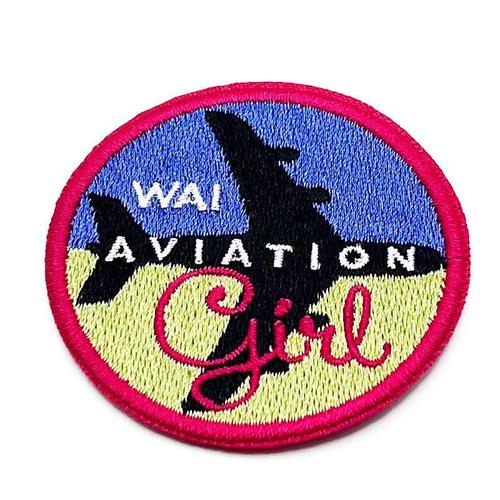
Cheap custom patches online usually refers to low-cost embroidered, woven, PVC, chenille, or printed patches ordered from web-based suppliers. These patches can be a smart buy when specs are clear and the seller is legitimate, but they become a bad investment when the vendor cuts corners to hit an unrealistic price point.
That distinction matters more in 2026 because buyers have more suppliers than ever, more AI-generated mockups to sort through, and more difficulty telling a polished product page from a risky operation. According to the U.S. Census Bureau, e-commerce continues to grow at scale in the United States, which means more patch vendors are competing on price first and quality second. That makes it easier to get a “deal” and easier to get burned.
Table of Contents
- Why ultra-cheap patches often fail
- The hidden shortcuts behind bad-looking orders
- Red flags on patch websites and product pages
- What a fair patch price actually looks like
- How patch type changes quality and cost
- A real Best Patches rescue case
- How to vet a supplier before you pay
- When low-cost patches make sense
- How Best Patches keeps prices competitive
Why Ultra-Cheap Patches Often Fail
Bad-looking patches are usually the result of stacked compromises, not one single mistake. A seller that advertises a rock-bottom quote may be reducing stitch count, using lower-grade twill, skipping clean edge finishing, lowering thread density, or using generic adhesive backings that do not hold up to washing, heat, or field use. On screen, those choices are hard to spot. In hand, they are obvious.
There is also a design reality many buyers miss: patches are physical products with production limits. A tiny font, a thin outline, a gradient-heavy logo, or a complicated mascot cannot always be translated cleanly into embroidery or weaving at a bargain price. If the supplier does not challenge the artwork, simplify details, or recommend a better patch type, the final product suffers.
According to McKinsey’s 2024 research on personalization and customer expectations, buyers increasingly reward brands that deliver products that feel tailored and true to the promise. For patches, that means the gap between “good enough for the mockup” and “good enough to represent your brand” is wider than many sellers admit.
“The fastest way to make a patch look cheap is to force detailed artwork into the wrong production method and then strip out stitches to save money.” — Senior production advisor, Best Patches
The Hidden Shortcuts Behind Bad-Looking Orders
Most patch scams are not dramatic. They are quiet quality reductions hidden behind vague product descriptions. A site may say “premium embroidery” without stating thread brand, backing options, edge style, fabric weight, or size tolerances. That gives the seller room to substitute cheaper inputs after payment.
Low stitch density and weak digitizing
Embroidery depends on digitizing, which converts artwork into machine-readable stitch paths. Cheap vendors often rush this stage or reuse a generic file. The result is poor coverage, gaps in fill areas, puckering, and outlines that look shaky. Thin satin borders are another giveaway. They flatten fast and expose the base fabric.
Inferior base materials
Twill quality changes everything. Thin twill wrinkles more easily, absorbs thread differently, and makes the patch feel flimsy. Low-grade merrow edges can fuzz early. Weak hook backing can separate from the patch body, especially in tactical or workwear applications.
Bad color matching
Color mismatch is one of the biggest complaints we hear. A website may show vivid digital proofs, but if the factory uses a limited thread range or does not follow Pantone guidance closely, your navy can become purple and your gold can turn mustard. That is not a small detail if your patch represents a school, unit, club, or retail brand.
Adhesive that fails in real life
Iron-on backings are often oversold. Cheap glue layers may hold for a photo shoot and fail after normal wear. If the patch is going onto uniforms, jackets, hats, bags, or outdoor gear, backing choice matters as much as front-side appearance.
Red Flags on Patch Websites and Product Pages
Some warning signs are visible before you ever ask for a quote. If you know what to check, you can eliminate a lot of risk quickly.
- Prices are shown without size, stitch coverage, or quantity assumptions.
- Every patch photo looks computer-generated or heavily filtered.
- No close-up images show edges, thread texture, or backings.
- The site says “no setup fee” but never mentions digitizing quality.
- Turnaround times sound impossible for custom work.
- There is no proof approval stage before production.
- Customer reviews are generic and never mention patch type or use case.
- Artwork requirements are unclear, suggesting the supplier accepts anything and fixes nothing.
One more red flag is a seller that never asks questions. A serious patch manufacturer should ask where the patch will be used, what material you prefer, whether you need iron-on, hook-and-loop, sew-on, or adhesive backing, and whether your artwork has small text or intricate lines. Silence is not efficiency. It often means nobody is engineering the order properly.
“A trustworthy patch supplier will sometimes recommend a more expensive method for a specific design, but a better supplier will also tell you when you can save money safely.” — Merchandising consultant quoted by Best Patches during client onboarding
What a Fair Patch Price Actually Looks Like
The market trains buyers to compare patch prices as if all quotes describe the same product. They do not. A two-inch embroidered patch with simple text and felt backing is not equivalent to a four-inch woven patch with fine detail, custom shape, hook backing, and Pantone matching.
Price should be judged against specifications, not headlines. In our experience, the safest budget-first conversation starts with use case, artwork complexity, quantity, and lifespan expectations. A patch that only needs to support a one-day event can be built differently from one going on mechanics’ uniforms, tactical vests, or resale apparel.
| Buyer Type | Lowest Quote Usually Means | Common Result | Smarter Budget Choice |
|---|---|---|---|
| Streetwear startup | Low stitch density, weak backing | Patch looks flat on hoodies and caps | Woven or high-coverage embroidery with sew-on backing |
| School booster club | Limited color match | Mascot colors look off-brand | Pantone-guided thread selection and proof revision |
| Motorcycle club | Thin twill and poor edge finishing | Curling, fray, and rough wear failure | Heavy twill, clean merrow or laser edge, stronger thread |
| Corporate event team | Fast rush without quality control | Inconsistent logo clarity across batch | Pre-production sample and batch inspection |
According to ASI’s 2024 Ad Impressions research, wearable branded items keep generating exposure long after distribution. If your patch is part of merch, uniforms, or loyalty products, poor quality is not just a production issue. It is a brand impression issue.
How Patch Type Changes Quality and Cost
The cheapest route is not always embroidered. Sometimes embroidery is the wrong method entirely. Matching the production style to the artwork is where smart savings happen.
Embroidered patches
Best for bold logos, classic badge styles, and designs that benefit from texture. They can look premium at a reasonable price, but very fine text and tiny facial details often suffer.
Woven patches
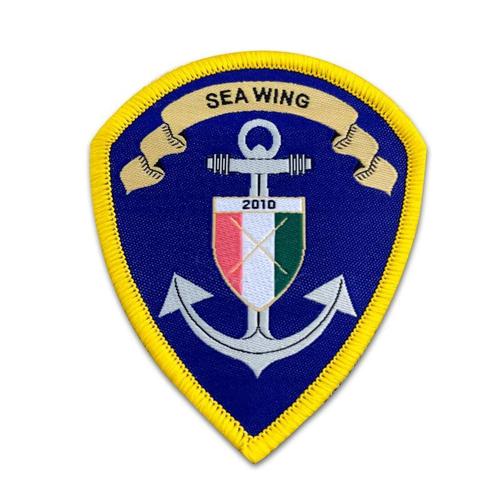
Better for small lettering, thin outlines, and detailed line art. They usually feel flatter than embroidery, but they can make complex art look sharper. Many buyers chasing cheap custom patches online should really be buying woven patches instead of low-end embroidery.
PVC patches
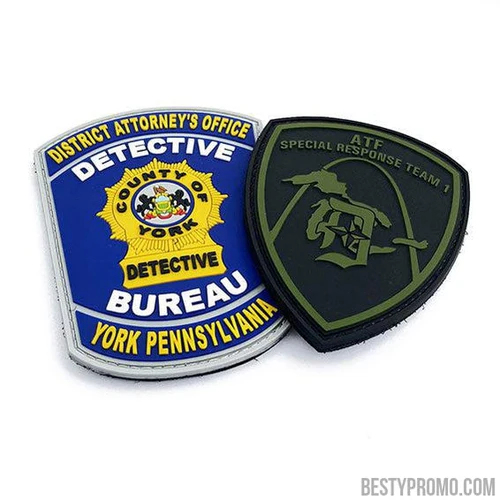
Good for weather resistance, modern branding, and tactical use. They cost more upfront than the cheapest embroidered options, but they can outlast them in rough conditions. If your patch will face water, heat, dirt, or repeated abrasion, PVC may save money over time.
Chenille and printed patches
Chenille works for varsity aesthetics and oversized texture. Printed patches suit gradient-heavy or photo-like art, though print durability varies by supplier. The risk with printed products is fading and edge wear if lamination and finishing are poor.
A Real Best Patches Rescue Case
I worked directly on a project last year for a regional apparel brand that had ordered 2,000 patches from a low-cost web vendor. The original quote was nearly 30 percent cheaper than the rest of the market, so they assumed they had negotiated well. When the shipment arrived, the black thread had a gray cast, the white areas were underfilled, and the iron-on backing peeled during garment heat application.
When they came to Best Patches, we did not just re-quote the same spec. We asked for the garment fabric, pressing temperature, sew-or-heat preference, and a sample of the failed patch. The root problem was not “bad luck.” It was a mismatch between a dense logo and a cheap embroidery file, plus a low-grade heat-seal backing that could not handle the apparel production process.
We converted the design to a woven patch with a sew-on option for the premium line and a stronger heat backing for the event line. Unit cost increased modestly, but spoilage dropped sharply and the brand stopped losing decorated garments during production. Their team later told us the better patch actually reduced total campaign cost because they were no longer replacing damaged items.
I have seen the same pattern with school programs, tactical teams, and fan merch shops. The first quote looks cheaper. The final cost is not.
How to Vet a Supplier Before You Pay
You do not need to be a patch expert to avoid most scams. You need a simple review process and the discipline to slow down before payment.
- Request a spec-based quote. Ask for size, backing, border style, patch type, material, and quantity assumptions in writing.
- Ask for close-up photos of real work. Not mockups. Real edge detail, real backing, real texture.
- Send artwork and ask what problems they see. Good suppliers will point out small text, thin lines, or color challenges.
- Review the proof process. Confirm whether you can revise before production and whether color notes are recorded.
- Test a sample when the order matters. For uniforms, resale items, or large events, a sample is cheaper than a full-batch mistake.
- Check policy language. If the site is vague on defects, remake terms, or delivery windows, take that seriously.
A 2024 Deloitte procurement trend report emphasized that buyers increasingly value supplier transparency and resilience over headline price alone. That logic applies perfectly here. When a patch vendor is clear about materials, tolerances, and process, you are buying predictability, not just product.
When Low-Cost Patches Make Sense
Not every low-cost order is a scam. Cheap custom patches online can be a smart move when the design is simple, the quantity is high, the use is temporary, and the expectations are realistic. Event giveaways, short-term promotions, youth camp badges, and internal morale items often have more room for budget tradeoffs.
Where buyers get into trouble is using “cheap” as the only filter on orders that carry identity, resale value, or functional wear demands. If your patch goes on uniforms, club cuts, retail garments, branded accessories, or products sold to fans, bad quality creates visible damage. In those cases, paying slightly more for stronger specs usually protects your reputation and your margins.
Low-cost can work well for
- Simple one-color or two-color text patches
- High-volume event distribution
- Short-run campaigns with a short lifespan
- Basic name tapes and straightforward emblem shapes
Low-cost is risky for
- Detailed logos with fine lettering
- Retail resale merchandise
- Motorcycle, military-style, or tactical applications
- School and corporate branding with strict color standards
How Best Patches Keeps Prices Competitive Without Looking Cheap
At Best Patches, our goal is not to be the lowest number on every quote. It is to give buyers the lowest safe number for the result they actually need. That means we often reduce cost by simplifying shape, adjusting size, selecting a more suitable patch type, or choosing the right backing for the job instead of blindly removing quality.
For example, I recently helped a nonprofit that needed thousands of volunteer patches on a tight budget. Their first concept used dense embroidery and a complex icon set. We simplified the art, switched to woven construction, standardized one backing option, and optimized the size for production efficiency. They stayed inside budget and still received patches that looked clean, legible, and professional.
That is the difference between engineered savings and fake savings. Engineered savings protect appearance. Fake savings erode it.
Conclusion
The reason your bargain patch order looked bad was probably not random error. It was hidden compromise: weak digitizing, poor materials, the wrong patch type, vague specs, or no real quality control. Cheap custom patches online can work, but only when the offer is transparent and the product matches the design and use case.
Best Patches recommends three next actions:
- Ask every supplier for a written, spec-based quote before you compare prices.
- Match the patch type to the artwork instead of forcing everything into the cheapest embroidery option.
- For any order tied to branding, uniforms, or resale, request a real sample or detailed close-up proof first.
References
- U.S. Census Bureau — Ongoing e-commerce sales data showing the scale and growth of online purchasing behavior.
- McKinsey & Company — 2024 research on customer expectations and personalization, relevant to how buyers judge product quality against brand promise.
- Advertising Specialty Institute — 2024 ad impressions findings supporting the long-term branding value of wearable promotional products.
- Deloitte — 2024 procurement and supplier transparency insights that reinforce why clarity matters more than the lowest initial quote.
FAQ
Why do cheap custom patches online often look worse than the sample image?
-
Because the sample image is often a digital mockup, not a real production photo. Low-cost sellers may reduce stitch density, use cheaper twill, simplify your artwork without approval, or apply weak backing materials. Those shortcuts rarely show up on a screen, but they become obvious once the patch is in your hand.
What is the best patch type for detailed logos and small text?
-
In many cases, woven patches are the better choice. They handle fine detail, thin outlines, and small lettering more cleanly than low-end embroidery. If your supplier pushes embroidery for a very detailed design without warning you about limitations, that is a reason to ask more questions.
Are iron-on backings reliable for custom patches?
-
They can be, but it depends on the adhesive quality and the fabric you are applying them to. For long-term wear, many buyers prefer:
Stronger heat-seal formulas for compatible fabrics
Sew-on backing for durability and repeated washing
Hook-and-loop for tactical, uniform, or interchangeable use
How can I tell if a patch quote is too cheap to trust?
-
Look for what is missing. A risky quote often leaves out the details that affect quality, such as:
Patch size assumptions
Backing type
Border style
Color-matching policy
Proof approval and remake terms
Is PVC better than embroidered patches for outdoor use?
-
Often, yes. PVC patches resist water, dirt, and abrasion better than many embroidered options, which makes them a strong choice for outdoor gear, tactical kits, and high-contact environments. Embroidered patches still work well when texture and a traditional look matter more than weather resistance.
Should I order a sample before a large patch run?
-
Yes, especially if the order is for resale, uniforms, brand launches, or event merchandise. A sample helps you verify thread coverage, edge quality, backing performance, and color accuracy before you commit to a full production run. For important orders, that extra step is usually money saved, not money spent.