










Why buyers still overpay for patches
If you are shopping for cheap custom patches online, the hard part is not finding sellers. It is separating the real manufacturers from polished storefronts that hide setup fees, weak stitching, poor backing, and slow production. A patch can look affordable on the product page and still become expensive once you add borders, Velcro, rush service, and shipping.
That is where Best Patches has built its reputation. We work with brands, schools, clubs, creators, and uniform buyers who need lower pricing without sacrificing clean embroidery, dependable color matching, or on-time delivery. In 2026, smart patch buying is less about chasing the lowest headline price and more about reading the production specs that control total value.
Cheap custom patches online refers to ordering personalized embroidered, woven, PVC, chenille, leather, or printed patches through a web-based supplier at a budget-friendly per-piece cost. The best options balance price, quality, turnaround time, and clear production standards instead of relying on bargain pricing alone.
If you know which specs matter before you request a quote, you can cut waste, avoid reorders, and get patches that actually fit your uniforms, merch, events, or resale plans.
Table of Contents
- Patch type should match the job
- Base fabric and stitch density drive quality
- Backing and border decide how the patch is used
- Size, shape, and detail limits affect price fast
- MOQ, setup fees, and shipping reveal the true total
- Proofing and production timelines protect your deadline
- Supplier trust signals matter more in 2026
- How different buyers should compare offers
- A practical ordering process that saves money
Patch type should match the job
The first buying spec is the patch format itself. Many buyers start with embroidery because it is familiar, but the cheapest option is not always embroidered. The right patch type depends on artwork detail, wear conditions, and what your audience expects the product to feel like.
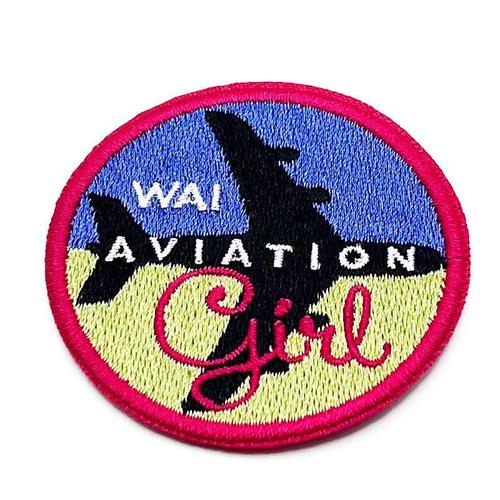
- Embroidered patches work best for bold logos, classic branding, and uniform looks.
- Woven patches are better for small text, fine outlines, and detailed artwork.
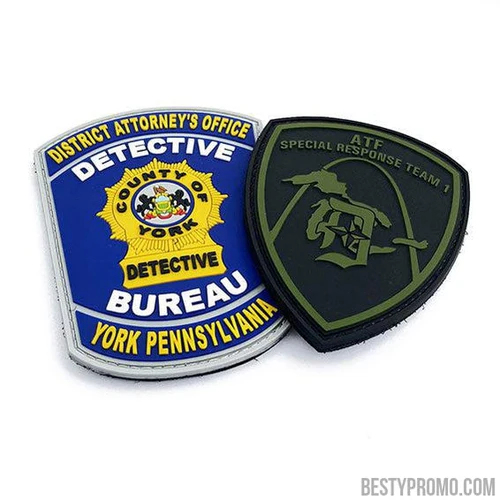
- PVC patches suit outdoor, tactical, and high-moisture use because they resist dirt and water.
- Chenille patches fit varsity, fashion, and streetwear projects where texture matters.
- Printed patches help when gradients, faces, or photo-like color transitions are required.
According to the 2024 Promotional Products Association International consumer research, buyers increasingly value usefulness and product longevity over novelty alone. That trend matters here: a patch that survives washing, friction, and weather creates better brand carryover than a cheap patch that curls or frays after a few uses.
At Best Patches, I have seen clients save money simply by switching from embroidery to woven construction when their logo had tiny lettering. The embroidered version required more cleanup, more revisions, and a larger final size. The woven version came out sharper at a lower rework cost.
Base fabric and stitch density drive quality
The second spec is more technical, but it is one of the biggest quality levers: base material plus stitch density. Cheap patches often fail because suppliers reduce thread coverage too aggressively or use fabric that puckers under tension.
What to ask about fabric
For embroidered and woven patches, twill remains the standard because it is durable and keeps shape well. Felt is softer and more vintage, but it is not ideal for every wash environment. For premium fashion runs, specialty bases like satin or faux leather can work, though they usually increase cost.
What to ask about thread coverage
Higher stitch density usually creates a richer look, but there is a limit. Too much density can make a patch stiff and distort small shapes. Too little leaves gaps and exposes the base. Reliable suppliers explain density in practical terms: coverage percentage, thread type, and whether your design requires fill stitching, satin borders, or layered details.
In one Best Patches order for a youth sports league, I pushed back on a customer’s request to reduce stitch count across the board. Their goal was simple: lower the unit price. We tested it. The sample looked flatter, letters lost edge definition, and the patch felt flimsy. We restored selective density only in the logo center and border, leaving the background lighter. The final patch still hit the budget target, but it looked far more polished.
“The cheapest patch is the one that does not need a second run. Fabric stability and stitch planning are where experienced manufacturers quietly save clients the most money.”
Backing and border decide how the patch is used
The third spec is all about function. A patch attached to a baseball cap has different needs than a patch sold in retail packaging, sewn on work uniforms, or swapped on tactical gear. If you choose the wrong backing, your “cheap” order may create labor costs or customer complaints later.
Common backing options
Sew-on is the most versatile and often the most economical. Iron-on is popular for fashion and club orders, but not all garments can handle heat equally well. Adhesive backing is useful for temporary placement or event distribution, not long-term wear. Velcro backing adds cost but is essential for uniforms, tactical applications, and removable branding.
Border choices that affect both appearance and cost
Merrow borders are classic and durable, but they work best on simpler shapes. Laser-cut or hot-cut borders support more custom outlines, though edge finish quality becomes more important. If your logo has sharp corners or unusual contours, custom cut edges may be necessary.
According to the 2025 U.S. Census Bureau monthly retail trend releases, apparel and accessory e-commerce continues to hold a strong share of consumer spending compared with pre-pandemic norms. For patch buyers, that means retail presentation matters more than ever. Backing and border are not just production specs; they shape customer experience when the patch arrives in hand.
Size, shape, and detail limits affect price fast
The fourth spec is where many online buyers get tripped up. They upload a design, choose a small size to save money, and assume the artwork will scale down cleanly. It usually does not. Tiny lettering, narrow lines, and crowded shapes often force one of three outcomes: a larger patch, a simplified design, or a disappointing sample.
As a rule, every patch style has detail limits. Embroidery needs room for thread paths. Woven patches can capture finer detail but still have practical boundaries. PVC can handle clean shapes well but is less suitable for delicate text at miniature sizes. Printed patches can show complex artwork, though edge definition and fade resistance vary by material.
When Best Patches reviews art, we look at three things before quoting size: legibility, shape complexity, and intended distance of viewing. A morale patch on a backpack can tolerate bolder design language than a name patch on a uniform chest panel.
| Buyer Type | Best Patch Style | Typical Size Range | Primary Cost Driver |
|---|---|---|---|
| School booster club | Embroidered with merrow border | 3 to 4 inches | Color count and volume |
| Streetwear startup | Woven or chenille | 2.5 to 5 inches | Custom shape and backing |
| Security or tactical team | PVC with Velcro | 3 to 4 inches | Velcro and mold setup |
| Small Etsy seller | Woven or printed | 2 to 3 inches | Low MOQ and packaging |
The risk here is simple: chasing the smallest possible size can make your design unreadable. Price matters, but so does performance in the real world.
MOQ, setup fees, and shipping reveal the true total
The fifth spec is financial clarity. Many websites advertise attractive unit prices but bury fees in the quote stage. A smart buyer asks for the full landed cost, not just the base patch price.
Watch these hidden cost areas
- Digitizing or artwork cleanup fees
- Mold or setup charges for PVC and specialty styles
- Extra charges for Velcro, iron-on, or individual packaging
- Rush production premiums
- Split shipping or remote-area delivery surcharges
According to the 2024 Deloitte global manufacturing outlook, cost pressure across labor, transportation, and inputs remains a persistent issue for custom goods suppliers. Buyers feel this in two ways: lower-quality vendors cut corners, while better vendors become more transparent about cost components. Transparency is a positive sign, not a red flag.
At Best Patches, we advise clients to compare quotes using the same worksheet: patch size, patch style, backing, border, MOQ, sample policy, production days, shipping days, and all add-ons. The lowest quote often stops being the lowest once you normalize the specs.
Proofing and production timelines protect your deadline
The sixth spec is timeline control. Cheap patch ordering becomes expensive when a school event, launch date, tournament, or uniform deadline gets missed. Buyers often focus on manufacturing days and ignore proof approval speed, remake risk, and transit variability.
What a strong timeline looks like
A reliable supplier should separate the process into art review, digital proof, sample if needed, mass production, and shipping. They should also explain what can delay each stage. If a seller promises extreme speed without clarifying proof rounds or shipping method, be careful.
- Send clean artwork in vector format if possible.
- Confirm exact size, colors, border, and backing before proofing.
- Approve the proof only after checking text, spelling, and scale.
- Request a production window and estimated delivery date in writing.
- Leave buffer time for customs, weather, or event-driven courier delays.
I remember a rush order for Best Patches from a regional clothing brand preparing for a pop-up launch. They wanted 800 iron-on woven patches in under two weeks. The original art file had layered effects that would not hold at final size. We simplified the gradient, switched the edge to a cleaner hot-cut finish, and split the shipment so the first cartons reached the event on time. They sold through the first batch in one weekend and reordered using the same production file, which dropped revision time on the second run.
“Fast is not the same as rushed. The vendors worth trusting are the ones that protect your deadline by reducing revision risk before production starts.”
Supplier trust signals matter more in 2026
The seventh spec is credibility. Search results are full of patch sellers, brokers, marketplaces, and private-label operations. Some are excellent. Some disappear when quality issues show up. In 2026, the safest move is to judge suppliers on evidence, not on homepage claims.
Trust signals to look for
- Clear product photos that show borders, backing, and stitch detail up close
- Real production explanations instead of vague marketing copy
- Responsive pre-sale support that answers technical questions directly
- Consistent review language about quality, delivery, and problem-solving
- Proofing process, remake policy, and file requirements published openly
Google’s continued emphasis on experience, expertise, authoritativeness, and trust means the best patch companies are also the ones that educate buyers. If a supplier cannot explain why your artwork should be woven instead of embroidered, or why your border choice affects cost, they may not be equipped to protect your order.
There is also a real limitation to note: even strong suppliers cannot make every design cheap. Tiny runs with complex shapes, premium materials, and rush shipping will always carry a higher per-piece price. Good vendors tell you that early instead of overpromising.
How different buyers should compare offers
Not every buyer defines “cheap” the same way. A school may care about staying inside a fundraiser budget. A fashion label may care more about resale margin. A corporate buyer may care most about consistency across repeat orders.
For schools and nonprofits
Favor durable embroidery, standard twill, and sew-on or iron-on backing. Keep shapes simple. Larger volumes usually create the strongest value.
For apparel brands and merch sellers
Prioritize finish and retail presentation. A slightly higher cost can be worth it if the patch supports a better selling price and fewer returns.
For tactical, outdoor, and workwear use
Focus on PVC or durable embroidery with Velcro or sew-on application. Weather resistance and attachment security matter more than the cheapest quote.
For artists and small online shops
Look for low-MOQ woven or printed runs, but test quality before scaling. Saving money on your first order is helpful. Saving your review score is even more important.
A practical ordering process that saves money
Here is the simplest way to buy cheap custom patches online without creating avoidable quality problems.
- Start with your use case, not your preferred patch style.
- Send the cleanest artwork you have and note your desired size range.
- Ask for two style options if your design has fine detail.
- Compare quotes using total landed cost, not headline unit cost.
- Approve proof details carefully, especially text and backing.
- Order a manageable first run if this is a new product for resale.
- Save the approved production file for faster reorders.
This process sounds basic, but it is exactly where many buyers save the most. The best patch orders are rarely the absolute cheapest on paper. They are the ones that arrive usable, sellable, and on time.
Conclusion
Buying cheap custom patches online in 2026 comes down to seven specs that actually control value: patch type, fabric and stitch density, backing and border, size and detail limits, full landed cost, timeline management, and supplier trust. When you compare vendors through those lenses, you stop paying for avoidable mistakes.
Best Patches recommends three practical next steps:
- Send your artwork for a spec review before asking only for price.
- Request at least two construction options if your design includes small text or complex outlines.
- Compare total cost with delivery timing and remake risk, not just cost per piece.
If your goal is lower pricing with dependable quality, those steps will get you much closer to a smart order than chasing the lowest number on a search results page.
References
- Promotional Products Association International, 2024 consumer research — provided context on buyer preference for useful, lasting branded products.
- U.S. Census Bureau, 2025 retail and e-commerce trend releases — supported the point that online apparel and accessory buying remains strong, increasing the importance of presentation and delivery.
- Deloitte, 2024 manufacturing outlook — informed the discussion of cost pressure, labor, transportation, and why pricing transparency matters.
FAQ
What is the best material for custom patches?
-
It depends on how the patch will be used. Twill-based embroidered patches are the all-around standard for uniforms and clubs. Woven patches are better for small details and fine text. PVC is excellent for outdoor or tactical use because it handles moisture and rough wear well.
Are cheap custom patches online still good quality?
-
Yes, but only if you compare the right specs. Low pricing can still produce strong results when the supplier uses stable base fabric, correct stitch density, accurate proofing, and clear finishing options. Problems usually come from hidden fees, poor artwork prep, or unrealistic size expectations.
What backing should I choose for custom patches?
-
Choose based on application:
Sew-on for durability and broad compatibility
Iron-on for fashion, clubs, and easier home application
Velcro for tactical, uniform, and removable use
Adhesive for temporary placement or event handouts
How much do custom patches usually cost?
-
Pricing changes based on patch style, size, quantity, and finishing. In bulk, simple embroidered patches may land near the lower end of the market, while woven, chenille, or PVC styles with custom shape, Velcro, or individual packaging cost more. The safest way to compare is by total landed cost, not just per-piece price.
Do patch manufacturers have minimum order quantities?
-
Most do. Common MOQs range from small trial runs to larger bulk orders, depending on whether the patch is embroidered, woven, PVC, or chenille. Lower MOQs are possible, but the per-piece price usually rises because setup and handling are spread across fewer units.
What file format should I use for patch artwork?
-
Vector files are best when available:
.AI or .SVG for clean scalable artwork
.PDF if it contains editable vector paths
.PNG at high resolution for simpler submissions
Outline text and label thread or Pantone color goals when possible
How long does it take to receive custom patches?
-
Timing depends on proof approval, patch style, quantity, and shipping method. Many standard orders move through proofing and production within days, but custom shapes, PVC molds, and rush queues can change the schedule. Always ask for both production time and estimated delivery time.
Can I order custom patches for resale?
-
Yes, and many small brands do exactly that. For resale, focus on three things:
Choose a patch style that fits your audience and price point
Test packaging and backing for a better customer experience
Make sure you own or have permission to use the artwork or logo